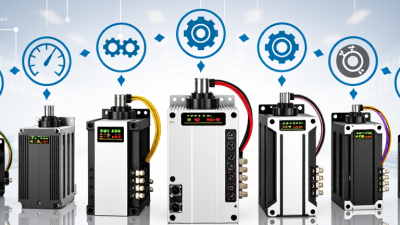
7 Servo Amplifier Buying Tips for Global Buyers
Choosing a servo amplifier for an international machine project involves more than matching a model number to a motor. Buyers must consider the motion profile, supply voltage, feedback device, communication network, and operating environment. A unit that performs well on a test bench may behave differently inside a crowded cabinet beside heat-producing drives.
Small details matter. Check the amplifier’s continuous and peak current ratings against the motor’s actual load, not just its nameplate value. Confirm supported encoder types, control modes, and fieldbus protocols with the machine’s controller. Ask for wiring diagrams, parameter software, and clear fault-code documentation before placing an order. These checks can reveal compatibility gaps while changes are still manageable.
Price matters, but it is easy to give it too much weight. A lower-cost product may require extra engineering time, specialized cables, or difficult commissioning. The reverse can also happen: a premium feature may add little value to a simple axis. No single rating tells the whole story.
The seven buying tips in this guide help global buyers compare options with practical questions in mind. They cover technical fit, supplier communication, documentation, testing, support, and long-term availability. For example, ask how replacement units are matched, what commissioning assistance is available across time zones, and whether sample parameters can be reviewed before shipment. Answers should be specific and consistent. Vague assurances are worth a second look.
Good purchasing decisions reduce surprises, but they cannot remove every risk. One detail may still be missed. Use the checklist as a starting point, then verify each requirement against your machine, installation conditions, and service plan.

Define the Servo Amplifier’s Role in Your Motion Control System
A servo amplifier is the power stage between a motion controller and a servo motor. It converts command signals into controlled current, helping the motor follow required speed, position, and torque. The controller decides what motion is needed; the amplifier delivers the electrical response. That distinction matters. In a multi-axis machine, each amplifier must suit its motor, feedback device, and operating profile. Start with the axis. A packaging machine may need quick starts and stops, while a conveyor may prioritize steady speed and reliable torque. Note peak loads, duty cycles, and required positioning accuracy before comparing products.
The wider energy context is significant. The International Energy Agency’s 2011 report, Energy-Efficiency Policy Opportunities for Electric Motor-Driven Systems, estimates that motor-driven systems use about 45% of global electricity. That figure covers far more than servo applications, but it shows why matching controls and motors to the real load deserves attention. Automation is also widespread: the International Federation of Robotics reported 541,302 industrial robot installations worldwide in 2023 in World Robotics 2024. Robot axes are one example of motion systems that depend on coordinated control. A specification can look complete and still miss a practical issue, such as cable length or regenerative energy during rapid deceleration. Review those details against the machine’s actual motion, not just its peak rating.
Match Amplifier Ratings to Motor and Application Requirements
Match the amplifier’s continuous output current to the motor’s rated current, not just its advertised power. Check peak current too, including how long the amplifier can sustain it. A brief acceleration surge differs from repeated starts on a packaging line. Check the DC bus voltage against the motor and supply requirements, allowing for voltage variation and regenerative energy during deceleration. Close wattage is not enough.
Then examine the machine’s real workload. A vertical axis lifting a load may need different torque margins from a light inspection stage. Compare required speed and torque across the operating cycle, including frequent stops, reversals, and long periods at low speed. Consider the reflected load inertia, especially when belts or gearboxes are involved. It is easy to overlook.
Feedback compatibility matters as much as current. Confirm that the amplifier supports the motor’s encoder type, resolution, and signal format. Check control interfaces and available tuning functions before purchase. An amplifier can meet the electrical ratings and still be a poor fit for the control system.
Use manufacturer datasheets for limits, then verify assumptions with the actual load profile. A tidy spreadsheet can hide a weak estimate of peak torque. Leave sensible headroom, but avoid oversizing without a reason; it can add cost and complicate tuning. Record ambient temperature, enclosure ventilation, and expected duty cycle, since these affect usable ratings.
Verify Certifications, Power Standards, and Regional Compatibility
A servo amplifier’s certificate is useful only when it covers the exact model and intended application.
Ask for current declarations, test reports, and installation instructions, then compare model numbers across every document. Check the certification scope, not just a logo on a product page. Requirements differ by destination and machine type, so confirm them with a qualified local engineer or conformity specialist. Keep the file.
Power compatibility deserves the same care.
Compare the amplifier’s rated input voltage, phase, and frequency with the site supply, including expected fluctuations. A three-phase unit may not suit a single-phase workshop. Check grounding, protective-device recommendations, inrush current, and heat dissipation; a crowded cabinet can run hotter than the test setup. Confirm that connectors, encoder feedback, and control interfaces match the machine. A transformer may change voltage, but it does not automatically resolve every frequency or grounding issue. A checklist helps, but it can create false confidence if values are copied without checking the installation. Photograph the supply label and cabinet layout, then ask the supplier to confirm compatibility in writing. That small step can prevent delays after delivery.
Evaluate Supplier Support, Availability, and Total Cost of Ownership
When comparing servo amplifiers, check what happens after the quotation. Ask suppliers to confirm stock levels, production lead times, repair options, and technical support hours in writing. A low purchase price offers little comfort if a failed unit stops a line for days. Request a clear compatibility list, firmware details, and a named contact for commissioning questions. Test the supplier’s response with a practical query before placing a large order. Small check. The result is not a guarantee, but it reveals how support works in real life.
Availability matters across the amplifier’s full service life, not just this month. The International Federation of Robotics reported 4,281,585 industrial robots operating worldwide in 2023, with 541,302 new installations that year. That scale makes spare-part planning worth discussing with suppliers, especially for equipment expected to run for years. For total cost of ownership, compare purchase price with installation time, energy use, maintenance, spare inventory, and likely downtime. The U.S. Department of Energy estimates that motor-driven systems use about 68% of electricity consumed by U.S. industry; this is not a servo-amplifier-specific figure, but it underscores why system efficiency deserves attention. Ask for test conditions behind efficiency claims. Cost estimates can still miss awkward details, such as a custom cable or an engineer’s travel time. Include those where possible.
7 Servo Amplifier Buying Tips: Compare 5-Year Ownership Costs
Example 5-year total cost of ownership (TCO) for one servo amplifier, in USD.
This illustrative scenario totals $6,000 across purchase, integration, shipping and import, energy, maintenance and spares, downtime exposure, and a replacement reserve. These are planning assumptions, not market averages. Request supplier quotes and use your own operating data to compare support, availability, and TCO.