
Why Does an HB88509 Center Bearing Fail?
When an Hb88509 Center Bearing begins to fail, the symptoms may appear small: a low hum, vibration beneath the floor, or a dull clunk during acceleration. These signs matter, but they do not identify the cause by themselves. A worn bearing, damaged rubber support, poor alignment, or an unbalanced driveshaft can produce similar behavior. Listen for changes with vehicle speed, and note when the vibration appears. Details help.
This guide examines why an Hb88509 Center Bearing can fail and what to inspect before replacing it. Heat, contamination, age, and repeated driveline movement may contribute, while incorrect installation can shorten service life. Check the rubber mount for cracks or separation, and look for roughness or looseness at the bearing. A clean-looking part can still be worn inside. That is easy to miss.
Reliable diagnosis takes more than guessing from one noise. Compare the symptoms with the vehicle’s service information, inspect related driveline components, and seek a qualified technician when the source remains unclear. The exact cause depends on the vehicle and operating conditions, so no single explanation fits every case. Even careful checks can leave questions. That uncertainty deserves attention, not a quick part swap.
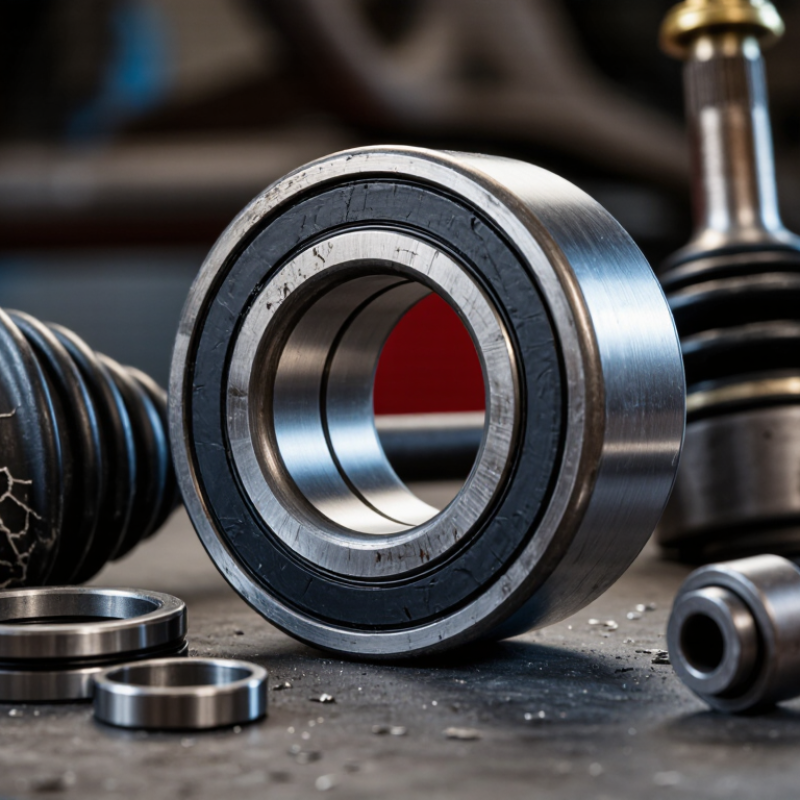
HB88509 Center Bearing Design and Operating Role
The HB88509 center bearing supports the driveshaft where a long shaft is split into sections. Its bearing lets the shaft rotate while a surrounding rubber mount cushions movement and vibration. A metal bracket holds the assembly to the vehicle structure. Together, these parts help keep the shaft aligned as torque passes toward the wheels.
Small changes matter. If the rubber softens, cracks, or separates, the shaft can move more than intended. The bearing may then carry uneven loads, especially during acceleration or over rough roads. Drivers might notice a low hum, a shudder under the floor, or a dull clunk when shifting between drive and coast. Those signs are not proof of a failed center bearing; worn joints or poor alignment can feel similar. A hands-on inspection can reveal looseness, damaged rubber, or rough bearing rotation. Exact fit and construction can vary by application, so check the vehicle’s specifications before choosing a replacement. I would not diagnose it from noise alone. That is an easy mistake.
How Loads, Vibration, and Heat Affect the Bearing
An HB88509 center bearing carries the driveshaft while allowing it to rotate smoothly. Every acceleration, gear change, and road impact adds force to the bearing and its rubber support. A worn mount, incorrect alignment, or excessive driveline angle can concentrate that force on one side. The wear may begin quietly.
Vibration is both a symptom and a source of damage. An unbalanced shaft can make the bearing oscillate, while a loose support may let the shaft move beyond its normal range. Drivers might notice a floor or seat tremor that changes with vehicle speed. Small errors matter. A vibration alone, however, does not prove the bearing has failed; joints and shaft imbalance can feel similar.
Heat adds another strain. Friction from damaged rolling surfaces or poor lubrication raises the bearing’s operating temperature, and heat can also soften or age the surrounding rubber. Long trips, heavy loads, and repeated hard acceleration may increase stress, especially when alignment is already poor.
During inspection, look for cracked rubber, looseness, unusual noise, or heat discoloration, and compare findings with the vehicle’s service specifications. Real checks are rarely tidy: several faults can appear together, so replacing the bearing without checking the shaft and mount may leave the original vibration in place.
Common Causes of HB88509 Center Bearing Failure
Why Does an HB88509 Center Bearing Fail?
Common Causes of HB88509 Center Bearing Failure
An HB88509 center bearing often fails because of heat, contamination, misalignment, or poor installation. A torn rubber support lets the driveshaft move and vibrate. That movement can add uneven load to the bearing. Water and road grit may enter through damaged seals, while dried or unsuitable grease increases friction. Heat matters. A bearing that feels unusually hot after a short drive deserves inspection, though temperature alone cannot confirm the cause.
Misalignment is easy to miss. A bent bracket, worn mount, or incorrect driveline angle can make the shaft run off-center. Repeated vibration may then damage the bearing race and surrounding rubber. The ISO 281:2007 bearing-life method defines L10 life as the life that 90% of a sufficiently large group of identical bearings are expected to reach under stated conditions. This is a statistical rating, not a promise for an HB88509 assembly; contamination, mounting errors, and real-world loads can shorten service life considerably. Small errors add up.
Tips: Check for cracked rubber, rust-colored leakage, loose fasteners, and vibration that changes with vehicle speed. Confirm alignment and installation before replacing the bearing. Record symptoms and mileage; the diagnosis is not always obvious.
Why Does an HB88509 Center Bearing Fail?
Common causes of center-bearing failure, ranked by relative risk. Scores are qualitative, not measured failure-rate percentages.
Grease loss, contamination, misalignment, excessive vibration, deteriorated rubber, and incorrect installation can shorten bearing life. Inspect the bearing, support, and surrounding driveline components to identify the cause.
Symptoms and Methods for Diagnosing Bearing Damage
Why Does an HB88509 Center Bearing Fail?
Symptoms and Methods for Diagnosing Bearing Damage
An HB88509 center bearing supports the driveshaft between its ends. When its rubber mount weakens or the bearing wears, vibration may appear through the floor, especially during acceleration. A dull clunk when shifting from drive to reverse can also point to excess movement. Some vehicles develop a squeak or rumble that changes with road speed. These clues are useful, but none proves the bearing is faulty.
With the vehicle safely lifted and secured, inspect the rubber support for splits, sagging, or separation from its bracket. Check the driveshaft for unusual movement at the support, following the vehicle’s service specifications; a little movement may be normal. Rotate the shaft by hand only when it is safe to do so, and feel for roughness or binding. Compare symptoms with worn universal joints, loose mounts, and tire problems. I would avoid replacing the bearing based on vibration alone. Diagnosis can be less tidy than expected.
Tips: Note when the noise occurs, such as during takeoff or at a steady speed. Never work beneath a vehicle supported only by a jack. If inspection is unclear, have a qualified technician check the driveline.
How Installation and Maintenance Affect Bearing Life
Why Does an HB88509 Center Bearing Fail?
How Installation and Maintenance Affect Bearing Life
An HB88509 center bearing can wear early when its support is installed under strain. Its job is to hold the driveshaft near its intended line while allowing normal movement. If the bracket sits crooked or the rubber is twisted, the shaft may vibrate and load the bearing unevenly. Small offsets matter. Before tightening the fasteners, compare the support height with its original position. Check that the shaft sections meet without being forced together. A new bearing cannot correct a bent bracket or worn universal joint.
Use a torque wrench and follow the vehicle’s service specifications. Over-tightening can distort the support, while loose fasteners may let it shift. Inspect the rubber for cracks, separation, or oil damage during routine service. Look for fresh movement marks around the bracket, too. Keep dirt and water away when the assembly is exposed during repairs. Not every bearing is designed for added grease, so check its service instructions before applying any. If vibration returns soon after installation, recheck alignment and related driveline parts; replacing the bearing again may miss the real cause.
Why Does an HB88509 Center Bearing Fail? — How Installation and Maintenance Affect Bearing Life
| Failure Factor | How It Can Damage the Bearing | Common Signs | Installation or Maintenance Practice | Practical Check |
|---|---|---|---|---|
| Incorrect alignment or support position | A misaligned driveshaft or incorrectly positioned support can add side loads and vibration to the bearing. | Vibration that changes with vehicle speed; uneven or early bearing wear. | Align the shaft and support according to the vehicle service procedure. Do not force the support into position to compensate for misalignment. | Check shaft alignment, support position, and driveline angles against vehicle specifications. |
| Incorrect tightening or installation stress | Uneven tightening, distorted brackets, or inappropriate preload can prevent the support from operating as intended. | New vibration or noise after installation; movement or distortion at the support bracket. | Use the specified tightening sequence and vehicle-specific torque values. Make sure mounting surfaces are clean and undamaged. | Inspect the bracket, fasteners, and mounting surfaces; consult the service manual for torque values. |
| Contamination or water ingress | Dirt, water, or road debris entering through a damaged seal can contaminate lubricant and accelerate raceway and rolling-element wear. | Roughness when rotated by hand, corrosion, unusual noise, or visible seal damage. | Avoid directing high-pressure water at the bearing area. Replace a bearing with a damaged seal or evidence of contamination. | Inspect seals and nearby shields after exposure to water, mud, or road debris. |
| Worn or damaged rubber support | A cracked, softened, or separated support insulator may allow excess shaft movement and transmit vibration into the bearing assembly. | Clunking during acceleration or deceleration, visible sagging, or excessive shaft movement. | Inspect the support rubber and bracket when checking driveline vibration. Replace damaged components rather than relying on the bearing alone to control movement. | Look for cracks, separation, deformation, and loose or damaged mounting hardware. |
| Driveshaft imbalance or worn joints | An imbalanced shaft, damaged joint, or loose driveline component can create repeated vibration and additional bearing loads. | Speed-related vibration, clicking or clunking, or vibration that remains after bearing replacement. | Diagnose the complete driveline before replacing the bearing. Check shaft balance, joints, and fasteners using the vehicle service procedure. | Check for missing balance weights, joint play, damaged components, and loose connections. |
| Incorrect or damaged replacement part | A part that does not match the vehicle application or has been damaged during handling may not fit or perform correctly. | Fitment difficulty, abnormal movement, noise, or premature failure after replacement. | Confirm application and dimensions using reliable vehicle-specific parts information. Avoid striking the bearing or transmitting fitting force through the rolling elements. | Compare the replacement part with the removed assembly and inspect for shipping or handling damage. |
| Delayed diagnosis of noise or vibration | Continued operation with a deteriorating bearing or support can worsen damage and may affect other driveline components. | Increasing humming, rumbling, vibration, or visible deterioration. | Investigate new or worsening driveline symptoms promptly. Follow the vehicle maker’s inspection and maintenance guidance. | Record when symptoms occur and have the bearing, support, and related driveline components inspected. |
Note: Failure symptoms can overlap with problems in other driveline components. Confirm the vehicle-specific part application, alignment procedure, and fastener specifications before installation.
