What Are Non Woven Wet Wipes?
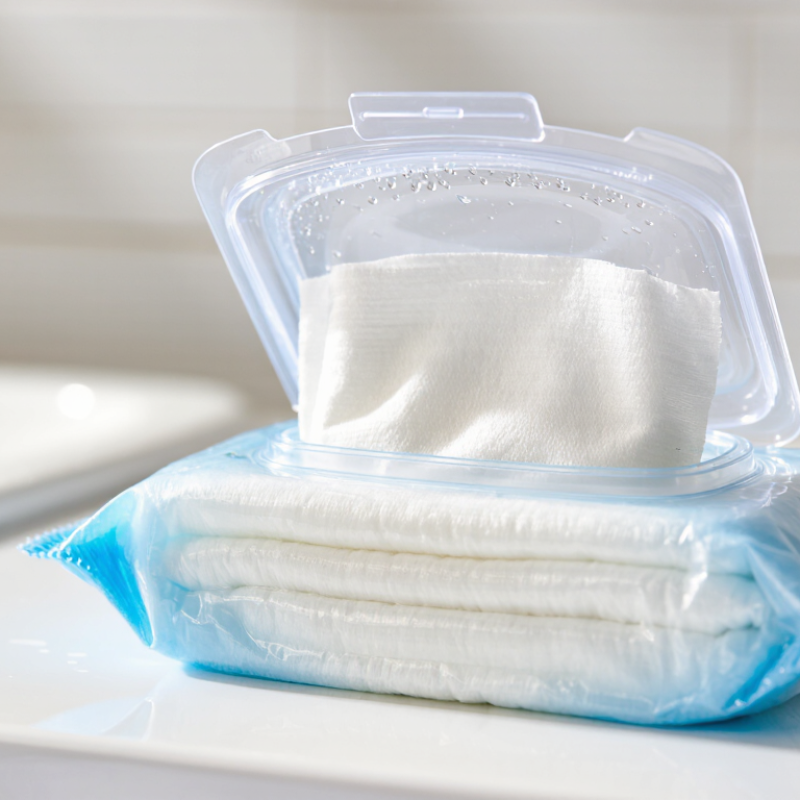
Non Woven Wet Wipes are pre-moistened sheets made from bonded fibers rather than woven yarns. Their structure may use spunlace, airlaid, or other nonwoven technologies. Water, cleansing agents, preservatives, and skin-conditioning ingredients are added later. The result feels like fabric, yet it is engineered for single-use convenience. A useful detail is the texture: soft fibers lift dirt from skin, while the liquid phase performs the cleansing work.
Market data shows why this product category deserves careful attention. Grand View Research valued the global wet wipes market at approximately USD 23.63 billion in 2023. Its report projects continued growth through 2030, although forecasts differ by definition and product scope. Smithers also identifies hygiene and healthcare applications as important growth areas within the wider nonwovens industry. These figures describe opportunity, not automatic success. Performance still depends on fiber selection, liquid compatibility, pack stability, and disposal expectations.
Dr. Seshadri Ramkumar, a recognized nonwovens researcher, explains the material principle this way: “Nonwovens are engineered materials designed for specific applications.” That statement fits Non Woven Wet Wipes well. They are not simply damp pieces of cloth. Their absorbency, tensile strength, softness, and release profile must work together. Small failures matter. A wipe can tear beside the lid, dry inside the package, or feel rough on sensitive skin. This article examines how these products are made, where they are used, and why responsible design requires more than attractive packaging.
Definition and Core Characteristics of Nonwoven Wet Wipes
Nonwoven wet wipes are sheets made from fibers bonded together without weaving or knitting. The fibers may be arranged in a loose web, then joined by pressure, heat, or a liquid-based process. Common materials include cellulose fibers and synthetic fibers, sometimes blended to balance softness and strength. The finished sheet is saturated with a cleaning or personal-care solution and packed to retain moisture. It is not simply paper made wet.
The structure affects how a wipe feels and performs. A textured surface can help lift soil from skin or hard surfaces, while a denser sheet may resist tearing during use. Some nonwoven fabrics are designed to break down more readily in water than others, but “nonwoven” alone does not indicate flushability or environmental impact. Check the product’s specific disposal guidance. Details matter.
A wipe’s performance also depends on its lotion, fiber blend, bonding method, and intended use. A soft sheet may suit gentle cleaning, yet feel less durable when scrubbing. In practical evaluation, look for even wetness, clean edges, and a sheet that holds together when pulled lightly. These checks are useful, though they cannot reveal every material or manufacturing detail. Labels and specifications provide a fuller picture.
Materials and Structure of the Nonwoven Sheet
Nonwoven wet wipes are made from a sheet of fibers bonded without weaving or knitting. The sheet may contain viscose, polyester, wood pulp, or blends, chosen for softness, strength, and liquid absorption. Fiber choice matters. Viscose absorbs readily, while polyester can improve durability; a blend often balances both, though it is not automatically the best option for every wipe.
Manufacturers form the sheet by processes such as spunlace, which uses fine water jets to entangle fibers. The result feels cloth-like, with a network of small pores that holds lotion and releases it during wiping. Sheet weight, fiber length, and bonding intensity affect thickness, lint, and wet strength. EDANA’s European nonwovens statistics reported production of about 2.9 million tonnes in 2022. That figure covers many nonwoven products, not wet wipes alone, but it shows the scale of the material sector behind everyday sheets. A useful detail is easy to miss: a thicker wipe is not always stronger when wet. Structure and fiber bonding matter too. And labels can simplify a complicated material mix.
What Are Nonwoven Wet Wipes? Materials and Sheet Structure
Illustrative fiber blends used in nonwoven wipe sheets (percentage by fiber weight).
Nonwoven sheets are formed by bonding fibers rather than weaving yarns. Viscose (rayon) is absorbent and soft; polyester adds strength and durability. These examples are illustrative formulations, not universal specifications—actual blends vary by product and intended use.
How Nonwoven Wet Wipes Are Manufactured
Nonwoven wet wipes begin as loose fibers rather than woven fabric. Manufacturers spread fibers into a thin, even web using processes such as carding or air-laying. The web is then bonded so it can hold together when wet. In spunlace production, fine water jets entangle the fibers. Other materials may use heat or a bonding agent. Each route creates a different balance of softness, strength, and absorbency. Small differences matter.
The bonded sheet is dried, inspected, and wound into large rolls. During converting, machines unwind the material, apply a measured cleansing solution, fold it, and cut it into individual wipes. Operators check that the lotion reaches the sheet evenly and that folds stay consistent. A wipe that feels dry at one corner may not perform as intended. The solution itself is developed for the product’s purpose and must remain compatible with the fibers and packaging.
Finished wipes are sealed in packs to help limit moisture loss and contamination. Production checks can include sheet weight, tensile strength, lotion loading, seal integrity, and microbiological controls. Exact methods vary by product and facility. The line can look precise, yet fiber webs naturally vary a little. That deserves attention. Careful monitoring helps catch unevenness before packs leave the factory, though no single test tells the whole story.
Common Types and Their Intended Uses
What Are Non Woven Wet Wipes? Common Types and Their Intended Uses
Nonwoven wet wipes are sheets made by bonding fibers rather than weaving yarns. Their texture, thickness, and liquid content vary by intended use. Some feel soft and smooth; others have a slightly raised surface for lifting everyday dirt. The label matters. A wipe designed for hands may not suit delicate skin or household surfaces.
Personal-care wipes are typically made for cleaning skin, such as hands or the body when water is unavailable. Baby wipes tend to have a soft feel and are intended for diaper-area cleaning; check the ingredients if skin is sensitive. Facial wipes are formulated for the face, but they may not remove every kind of makeup. Be gentle around the eyes. Surface-cleaning wipes are intended for household materials such as sealed counters, while disinfecting wipes require following the stated contact time to work as directed. They are not interchangeable.
There are also wipes for pets, shoes, and specific workplace tasks. Use only as directed. A pet wipe, for example, is not automatically suitable for a pet’s eyes or ears. Fiber blends and lotions differ, so read the packaging and test an unfamiliar product on a small area when appropriate. Even with clear categories, real-life needs can be messy: one wipe may feel too wet, another too rough. That is worth noticing.
Key Performance Features and Disposal Considerations
What Are Non Woven Wet Wipes?
Key Performance Features and Disposal Considerations
Nonwoven wet wipes are made from fibers bonded together without traditional weaving. Their structure helps balance softness, absorbency, and strength. A well-made wipe should pick up a small spill without tearing, while still feeling comfortable on skin. Texture matters, too: a lightly embossed surface can help lift dirt, but roughness may irritate sensitive skin. Moisture should be distributed evenly. A wipe that feels dry at one corner is less useful, even if the package looks sealed.
Tips: Check the label before use. Keep wipes sealed between uses, and stop if your skin reacts. For disposal, place used wipes in a waste bin unless the product specifically says it is suitable for flushing. Even then, local plumbing guidance matters. “Flushable” does not mean every pipe or treatment system handles a wipe like toilet paper. Never assume. Wipes can catch on bends, combine with grease, or contribute to blockages. Disposal instructions can feel inconvenient, but ignoring them may create a bigger problem.
Performance also depends on the job. A thicker wipe may handle messy hands better, while a lighter one can suit quick cleaning. Ingredients and intended use vary, so a surface-cleaning wipe should not automatically be used on skin. It is easy to treat all wipes as interchangeable; they are not. When in doubt, follow the package directions and choose the least wasteful option that still does the task.
