
Top HVAC Filter Drier Suppliers for Global Buyers?
Choosing among the top HVAC Filter Drier suppliers requires more than comparing prices. Global buyers need dependable moisture control, compatible refrigerant performance, and traceable manufacturing records. A small component can protect compressors from acid, particles, and costly system failures. It can also become a weak point when specifications are misunderstood.
Jim Cika, an HVACR education specialist, offers a practical reminder: “Good service starts with controlling contamination before it becomes a failure.” This principle applies directly to every HVAC Filter Drier purchase. Buyers should examine desiccant capacity, pressure ratings, connection sizes, flow direction, and compatibility with current refrigerants. Product data should be clear. Test reports should be available. Supply claims should withstand closer inspection.
Details matter in real installations. A filter drier stored beside an open loading dock may absorb unwanted moisture before installation. A mismatched core can restrict flow or reduce protection. A supplier may promise global delivery, yet overlook replacement availability in smaller markets. That gap deserves attention. No supplier is perfect.
This guide evaluates leading HVAC Filter Drier suppliers through product quality, technical support, manufacturing consistency, documentation, and international logistics. It also considers practical concerns, including private labeling, minimum order quantities, packaging protection, and after-sales responsiveness. The strongest supplier is not always the cheapest. It is the one that performs reliably under pressure, communicates clearly, and supports the product after shipment. Global buyers should remain careful, because one overlooked specification can affect an entire refrigeration system.
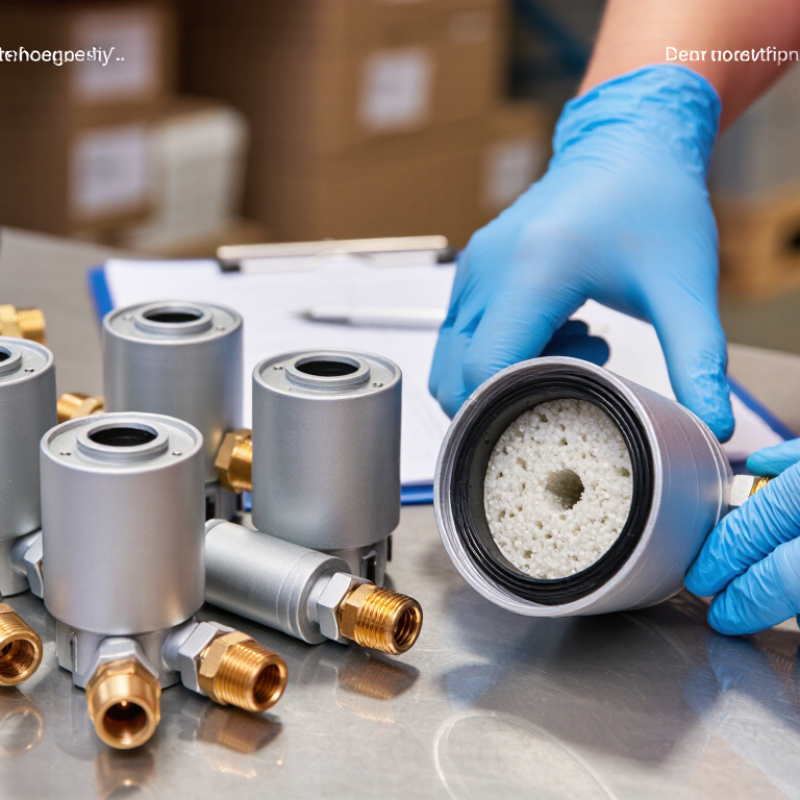
HVAC Filter Driers: Purpose, Design, and Operating Principles
An HVAC filter drier protects the refrigeration circuit from moisture, acids, and solid debris. It supports cleaner refrigerant flow and helps prevent compressor damage. Its design usually combines a drying core with a fine filtration layer. Desiccant materials adsorb water inside the circuit, while the filter captures particles. Small details matter.
During operation, liquid refrigerant enters the shell and passes through the core. Moisture becomes trapped within the desiccant structure. Debris remains on the filter surface instead of reaching expansion devices. A pressure drop can develop when the core becomes saturated or contaminated. Real systems are less tidy.
Global buyers should check cooling capacity, refrigerant compatibility, connection size, temperature limits, and flow direction. Heat pump systems may require bidirectional designs. Reliable suppliers should provide test data, production traceability, and clear installation guidance. Field technicians also inspect brazed joints and replace the drier after major circuit repairs. A rushed selection can look acceptable, yet restrict flow later. This is where judgment still matters. Supplier comparisons should include service support, packaging quality, and consistent batch performance, not price alone.
Top HVAC Filter Drier Suppliers for Global Buyers? - HVAC Filter Driers: Purpose, Design, and Operating Principles
| Data Dimension | Factual Information | Operating Purpose | Global Buyer Verification Points |
|---|---|---|---|
| Primary Function | A filter drier removes moisture, acid, particulate matter, and other harmful contaminants from a refrigeration or air-conditioning system. | Protects the compressor, expansion device, valves, bearings, and refrigerant circuit from contamination-related damage. | Confirm that the product is designed for the intended refrigeration system and contamination-control requirements. |
| Typical Installation Location | Most filter driers are installed in the liquid line, generally downstream of the condenser and upstream of the metering device. | Prevents moisture and solid particles from reaching sensitive expansion components. | Check flow direction, installation position, line size, service clearance, and compatibility with the system layout. |
| Suction-Line Application | Special suction-line filter driers are used mainly after a compressor burnout or when substantial system contamination is present. | Captures acids, carbonized oil, and debris before they return to the replacement or repaired compressor. | Verify that the model is specifically rated for suction-line use and has an acceptable pressure drop at the required mass flow. |
| Construction Type | Common designs include sealed solid-core units, replaceable-core shells, and bi-flow filter driers. | Construction determines serviceability, flow direction, contaminant capacity, and suitability for different system architectures. | Select a sealed unit for compact systems or a replaceable-core shell where inspection and maintenance are expected. |
| Desiccant Core | Desiccant materials commonly include molecular sieve, activated alumina, or blended formulations selected for moisture and acid control. | Adsorbs water and, depending on the formulation, helps reduce acids and other reactive contaminants. | Request desiccant type, moisture-removal data, acid-removal performance, and compatibility with the refrigerant and oil. |
| Filtration Rating | The internal filter structure retains solid particles generated during manufacturing, installation, wear, brazing, or component failure. | Reduces the risk of blocked metering devices, valve wear, and abrasive damage. | Ask for the tested particle-retention rating and confirm whether the rating applies to liquid-line or suction-line service. |
| Flow Direction | Standard liquid-line units normally use one-way flow, while heat-pump and reversing systems may require bi-directional flow capability. | Maintains filtration and drying performance when the refrigerant direction changes. | For reversible systems, verify bi-flow approval, pressure-drop data in both directions, and correct installation orientation. |
| Refrigerant Compatibility | Compatibility depends on the refrigerant, lubricant, operating pressure, temperature range, and internal sealing materials. | Prevents chemical degradation, swelling, leakage, and loss of drying performance. | Obtain a compatibility list covering the exact refrigerant and oil combination used in the equipment. |
| Moisture-Control Capacity | Moisture capacity is affected by desiccant formulation, refrigerant type, liquid temperature, moisture concentration, and flow conditions. | Keeps dissolved and free moisture below levels that can cause freezing, corrosion, hydrolysis, or acid formation. | Compare tested capacity at the specified refrigerant, temperature, and moisture condition rather than relying only on physical size. |
| Pressure Drop | Pressure drop varies with connection size, refrigerant mass flow, liquid density, filter loading, and flow direction. | Low pressure drop supports efficient system operation and helps maintain the required liquid or suction conditions. | Request pressure-drop curves for the actual refrigerant, capacity range, and operating temperature. |
| Pressure and Temperature Limits | Each unit has defined maximum working pressure, allowable temperature range, and sometimes maximum operating pressure for specific refrigerants. | Maintains mechanical integrity and safe operation throughout the refrigeration cycle. | Check the technical datasheet, nameplate, pressure rating, temperature rating, and applicable regional safety requirements. |
| Connection Options | Common connection formats include copper sweat, flare, and threaded or brazed connections, depending on the product design and market. | Provides mechanical and leak-tight integration with the refrigerant piping. | Match connection type, nominal line size, tubing outside diameter, installation method, and available service tools. |
| Replaceable-Core Service | Replaceable-core shells allow the internal core to be changed without replacing the complete shell. | Supports repeated contamination removal, system commissioning, and maintenance in larger installations. | Confirm core availability, sealing-gasket requirements, service procedure, isolation-valve arrangement, and maintenance intervals. |
| System Capacity Matching | Filter drier selection should be based on refrigerant mass flow, system capacity, line size, temperature, and acceptable pressure drop. | Prevents undersizing, excessive restriction, and inadequate moisture or contaminant control. | Use manufacturer capacity tables and select by operating conditions, not by connection size alone. |
| Installation Practice | The refrigeration circuit should be clean, dry, properly evacuated, and protected from contamination during brazing and assembly. | Extends filter-drier service life and reduces the contaminant load entering the system. | Confirm installation instructions, brazing guidance, flow-arrow marking, storage condition, and recommended evacuation procedure. |
| Documentation for Global Purchasing | Typical technical documents include datasheets, dimensional drawings, pressure-drop charts, compatibility information, test reports, and installation instructions. | Supports engineering approval, import clearance, installation, quality control, and after-sales service. | Request complete product documentation, material information, batch traceability, packaging details, and applicable conformity declarations. |