Top 5 Cylindrical Gearbox Benefits for Global Buyers?
In today’s competitive market, understanding the advantages of a Cylindrical Gearbox is crucial for global buyers. These gearboxes offer reliability and efficiency, making them suitable for various applications. Their design ensures smooth operation, which is essential in industries like automotive and manufacturing.
One key benefit is the powerful torque they provide. This increased torque translates to better performance in demanding environments. Additionally, Cylindrical Gearboxes are known for their durability. Manufacturers often rely on them to reduce maintenance costs and improve productivity.
The versatility of a Cylindrical Gearbox cannot be overlooked. They can be tailored to meet specific needs, thus enhancing operational efficiency. However, buyers must consider potential challenges, such as installation requirements and compatibility with other systems. Balancing these pros and cons is essential for making informed decisions.
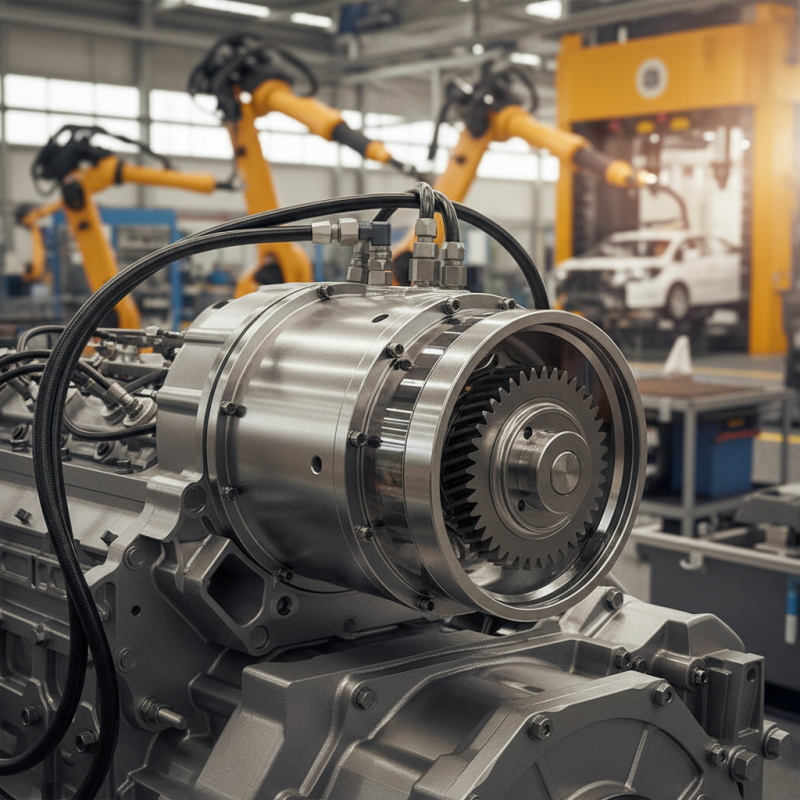
Understanding Cylindrical Gearboxes and Their Applications
Cylindrical gearboxes are essential components in various machinery applications. These gear systems use cylindrical gears to transmit power efficiently. They are often found in industrial equipment, automotive systems, and escalators. Their design allows for higher torque transmission while maintaining a compact size. This feature makes them ideal for applications where space is at a premium.
One significant advantage of cylindrical gearboxes is their versatility. They can be configured in multiple ways to suit different needs. For example, gear ratios can be adjusted to optimize performance. This flexibility is crucial in industries such as manufacturing and robotics. Users often find themselves balancing efficiency and power needs, which can lead to challenges in selection.
Reliability in performance is another vital aspect. Cylindrical gearboxes are built to handle heavy loads and maintain stability. However, wear and tear can lead to inefficiencies. Regular maintenance is essential to keep them running smoothly. Users sometimes overlook this, resulting in unexpected downtimes. Understanding these nuances helps buyers make informed choices when selecting gearboxes for their projects.
Enhanced Efficiency: Key Advantage of Using Cylindrical Gearboxes
Cylindrical gearboxes are known for their enhanced efficiency, making them a top choice for global buyers. Their design allows for higher torque transmission. This results in less energy loss compared to other gears. In industries where efficiency is key, these gearboxes shine brightly. Their simple yet robust construction reduces wear and tear over time. This contributes to lower maintenance costs and longer operational life.
One important tip: consider the load requirements of your application. Not every cylindrical gearbox is created equal. Make sure you select one that matches your specific needs. This ensures better performance and reliability. Another tip is to regularly assess the performance of your gearbox. Even the best gearboxes can experience issues. Identifying problems early can save you time and resources in the long run.
Lastly, the installation process is crucial. Proper alignment plays a significant role in ensuring efficiency. Misalignments can lead to increased friction and energy losses. Therefore, investing time in proper setup reflects on performance. Remember, the goal is to maximize the potential of your equipment. Each detail matters, so pay attention to the small things. They can make a significant difference in overall efficiency.
Cost-Effectiveness: Analyzing Long-Term Savings for Buyers
Cylindrical gearboxes offer significant cost-effectiveness for global buyers. Their efficient design minimizes energy losses. A study by the American Gear Manufacturers Association indicates that well-designed gearboxes can improve energy efficiency by up to 94%. This efficiency leads to lower operational costs over time.
Long-term cost savings become apparent when considering the lifespan of these gearboxes. They often outlast other types due to their robust construction. An analysis from the European Mechanical Power Transmission Association reveals that investing in high-quality cylindrical gearboxes can yield up to 30% reduction in maintenance expenses. However, buyers must assess initial investment against potential long-term savings carefully.
While the benefits are clear, buyers should reflect on their choices. Quality gearboxes may require a higher upfront cost. This can deter purchases, despite potential savings. Sometimes, immediate budget constraints overshadow future costs. Therefore, it’s essential for buyers to approach purchases with a long-term perspective.
Compact Design: Benefits of Space Optimization in Gearbox Systems
Compact design plays a pivotal role in the effectiveness of cylindrical gearbox systems. Optimizing space is essential, especially in industries where every inch counts. A well-designed gearbox can fit into tighter spaces, enabling better integration with other machinery. This design enhancement leads to increased efficiency, as it reduces the need for excessive structural support.
In addition, smaller gearboxes can lead to lighter machinery. This is beneficial in applications where weight impacts performance. A lightweight design can enhance the speed and agility of equipment. However, compact designs may sometimes compromise on power capacity. Buyers should assess their specific needs carefully to find the right balance.
Tips: Always evaluate available space before deciding on gearbox specifications. Consider future machinery upgrades too. This foresight can prevent costly adjustments later. Ensure that compact design does not lead to overheating or maintenance challenges. Regular inspections help mitigate these issues and extend the gearbox’s lifespan.
Versatility: Adapting Cylindrical Gearboxes Across Various Industries
Cylindrical gearboxes stand out for their versatility in various industries. Their design allows for efficient torque transmission while adapting easily to different applications. This adaptability makes them suitable for sectors such as automotive, aerospace, and renewable energy. Manufacturers can modify gear ratios and configurations to meet specific needs. This flexibility leads to optimization in performance and efficiency across a range of machines.
In automotive applications, cylindrical gearboxes help in managing speed and torque effectively. They are critical in electric vehicles, enabling smooth transitions and improved energy efficiency. In the aerospace industry, their reliability and compact design play a crucial role in aircraft systems. However, the challenge lies in ensuring they meet rigorous safety standards while remaining lightweight. This pushes engineers to innovate continuously and explore new materials and technologies.
Despite their many benefits, cylindrical gearboxes can present limitations in specific settings. They may require regular maintenance to prevent wear and tear. It's essential to assess operating conditions and load demands to ensure long-term reliability. Understanding these factors is crucial for users looking to leverage the full potential of cylindrical gearboxes in their applications. Each industry must weigh the advantages against these considerations to make informed decisions.
