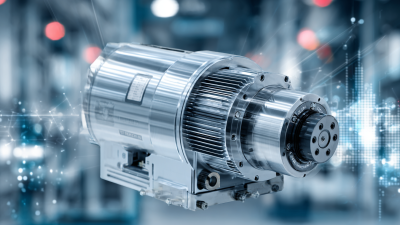
2025 Top 5 High Torque Servo Motors for Precision Engineering Applications
In the realm of precision engineering, the demand for reliable and efficient components is ever-increasing. Among these, high torque servo motors stand out for their ability to deliver superior performance in various applications, from robotics to CNC machinery. According to Dr. Emily Carter, a renowned expert in advanced motion control systems, "High torque servo motors are essential for achieving the level of precision and responsiveness that modern engineering projects require." This assertion highlights the pivotal role of high torque servo motors in enhancing system capabilities.
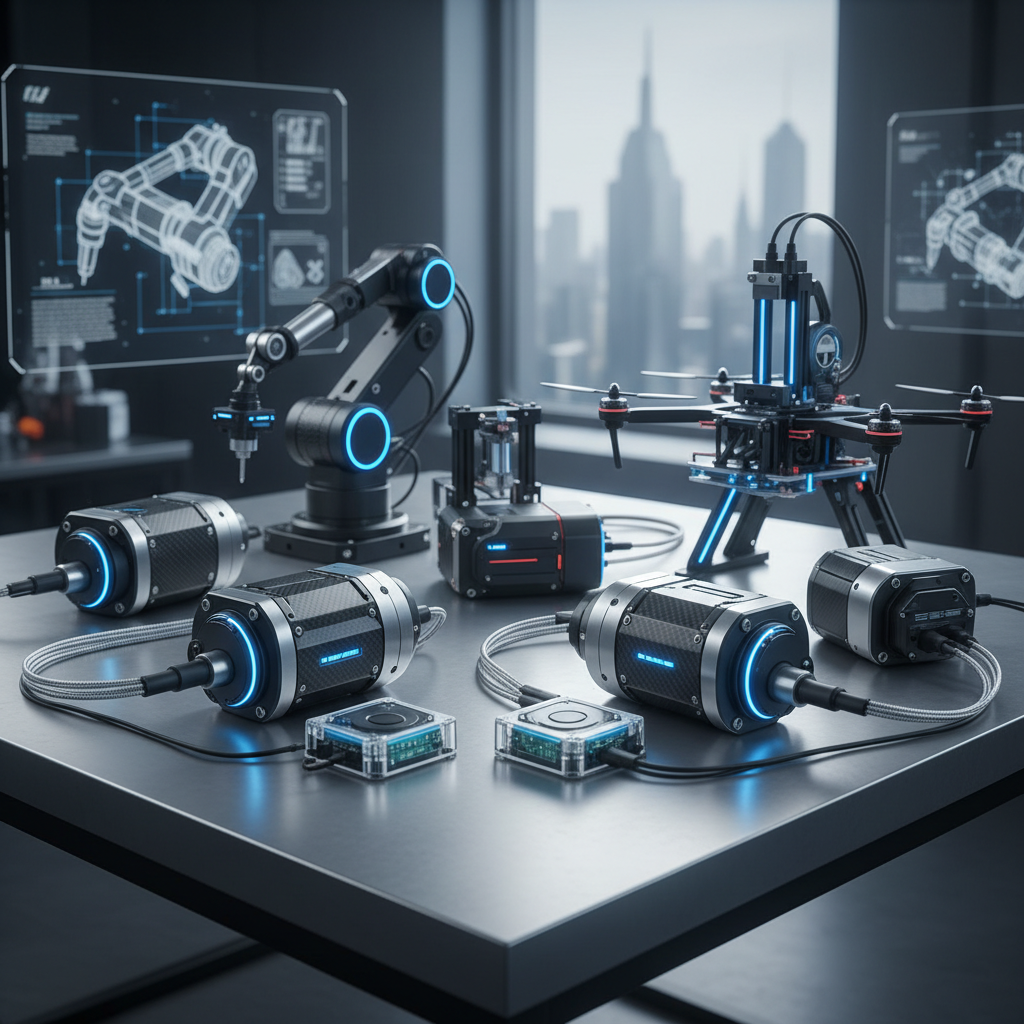
As we approach 2025, it's crucial to identify the top models that reflect the latest advancements in technology and meet the stringent standards of precision engineering. The expected advancements in material science and control algorithms promise to elevate these motors' performance, making them indispensable for increasingly complex tasks. In this article, we will explore the top five high torque servo motors that are set to redefine industry standards, ensuring that engineers can meet today's challenges with confidence and creativity.
Overview of High Torque Servo Motors in Precision Engineering
High torque servo motors play a pivotal role in precision engineering applications, where accuracy and reliability are paramount. These motors are designed to deliver exceptional performance in tasks that require precise control of position, speed, and torque. The integration of advanced technologies such as closed-loop control systems and high-resolution encoders enables these motors to maintain precise movements even under varying loads, making them ideal for applications in robotics, CNC machinery, and aerospace engineering.
In precision engineering, high torque servo motors not only enhance efficiency but also improve the overall quality of the end product. The ability to achieve high torque outputs without sacrificing speed allows engineers to undertake complex machining processes with greater confidence. Moreover, with the increasing demand for automation in manufacturing, the development and implementation of high torque servo motors are becoming increasingly critical. New designs focus on compactness, improved thermal management, and enhanced responsiveness, ensuring that these motors can meet the rigorous demands of modern engineering applications.
2025 Top 5 High Torque Servo Motors for Precision Engineering Applications
This chart illustrates the maximum torque (in Nm) of the top 5 high torque servo motors, showcasing their suitability for precision engineering applications.
Key Features and Benefits of High Torque Servo Motors
High torque servo motors are crucial components in precision engineering applications, providing exceptional performance in demanding environments. One of the key features of these motors is their ability to deliver high torque at low speeds, which is essential for applications that require precise control, such as robotic arms and CNC machines. According to a report by MarketsandMarkets, the global servo motor market is projected to reach $9.1 billion by 2025, driven by the increasing demand for automation and robotics in various industries.
Another significant benefit of high torque servo motors is their efficiency and responsiveness. These motors utilize advanced feedback systems to ensure accurate positioning and speed control, reducing energy consumption and increasing overall system reliability. The International Society of Automation (ISA) highlights that systems integrating high torque servo motors can achieve efficiency improvements of up to 30%, translating into substantial cost savings in energy and maintenance. Additionally, the precision provided by these motors contributes to enhanced product quality and reduced cycle times in manufacturing processes.
Top 5 High Torque Servo Motors for 2025: Comparison and Analysis
The demand for high torque servo motors in precision engineering applications is on the rise, driven by an anticipated shift in market dynamics. According to the latest market analysis, the global servo motors and drives market was valued at $13.9 billion in 2024 and is projected to reach $20 billion by 2032, reflecting a compound annual growth rate (CAGR) of 4.8% from 2025 to 2032. This significant growth highlights the increasing need for advanced motion control solutions across various industries, including robotics, manufacturing, and aerospace.
With the brushless DC motor sector expected to expand at a robust CAGR of 8.1% during the period from 2025 to 2030, reaching an estimated market value of $20.68 billion, it's clear that precision engineering is becoming more reliant on high-performance motors. As industries continue to prioritize efficiency and accuracy, the selection of the right high torque servo motors will be crucial in meeting evolving technical requirements and enhancing operational effectiveness. The competitive landscape in this space is set to intensify, making it essential for organizations to stay informed about market trends and technological advancements in servo motor applications.
Application Scenarios of High Torque Servo Motors in Engineering
High torque servo motors play a crucial role in precision engineering applications, where accuracy and reliability are of paramount importance. These motors are commonly utilized in robotics, CNC machining, and automation systems.
In robotics, high torque servo motors provide the necessary force to manipulate heavy components with precision, allowing for sophisticated movements that enhance the overall efficiency of robotic systems. Their ability to maintain consistent torque at varying speeds makes them ideal for applications requiring dynamic adjustments.
In CNC machining, high torque servo motors facilitate intricate machining tasks by enabling precise control of cutting tools. They are essential in maintaining the accuracy of operations such as milling and turning, where even slight deviations can lead to significant errors in the final product.
Moreover, in automation applications, these motors support high-speed operations while ensuring robust performance in tasks like material handling and assembly. Their capacity to drive complex mechanisms reliably makes high torque servo motors indispensable for achieving superior outcomes in precision engineering.
Future Trends in High Torque Servo Motor Technology and Innovation
The landscape of high torque servo motor technology is evolving rapidly, driven by innovations that enhance efficiency and precision in engineering applications. Future trends indicate a significant shift toward the integration of artificial intelligence (AI) and machine learning algorithms, allowing these motors to adapt in real-time to changing operational conditions. This adaptability not only improves performance but also extends the lifespan of the motors by reducing wear and tear through predictive maintenance.
Tips for selecting the right high torque servo motor involve considering both the application requirements and the environmental conditions. It's crucial to analyze load characteristics and speed specifications to ensure optimal performance. Additionally, look for motors that offer modular designs, as these provide flexibility in upgrading components without complete system replacement.
The push for sustainability is also shaping the future of servo motor technology. Manufacturers are increasingly focusing on developing energy-efficient models that minimize power consumption. As regulations regarding energy efficiency become stricter, investing in next-gen servo motors can provide a competitive edge while aligning with eco-friendly initiatives. Understanding these trends will be essential for engineers seeking to stay ahead in precision engineering applications.