
What Are the Top 10 Solar Power Systems for RVs?
Choosing the right Solar Power System For Rv is less about chasing the highest wattage. It is about matching energy production with real travel habits.
A weekend camper may need a compact 200-watt setup. A full-time traveler running a refrigerator, laptop, fan, and induction cooker may need far more. Roof space, battery chemistry, inverter capacity, charging speed, and installation quality all matter. Even a powerful system can disappoint under tree shade or winter clouds. That detail is easy to overlook.
Solar educator Will Prowse has expressed the practical distinction this way: “Solar panels are a battery charger, not a battery.” His point remains important. Panels collect energy, but batteries store it for nighttime use. A weak battery bank can limit an otherwise excellent system.
This guide compares ten leading RV solar options through practical criteria. We examine output, expandability, portability, controller performance, monitoring tools, durability, warranty support, and overall value. We also consider setup complexity, because a system that looks impressive online may feel frustrating beside a crowded campsite.
Not every ranking will fit every traveler. That is unavoidable. A lightweight portable kit may suit a small trailer better than a large roof array. Meanwhile, a premium system may offer dependable performance but exceed a modest budget. Real-world results can also vary with weather, wiring, battery age, and user habits.
The goal is not to promise unlimited electricity. It is to identify balanced systems that make off-grid travel quieter, cleaner, and more predictable. Expect useful comparisons, practical cautions, and a few conclusions worth reconsidering.
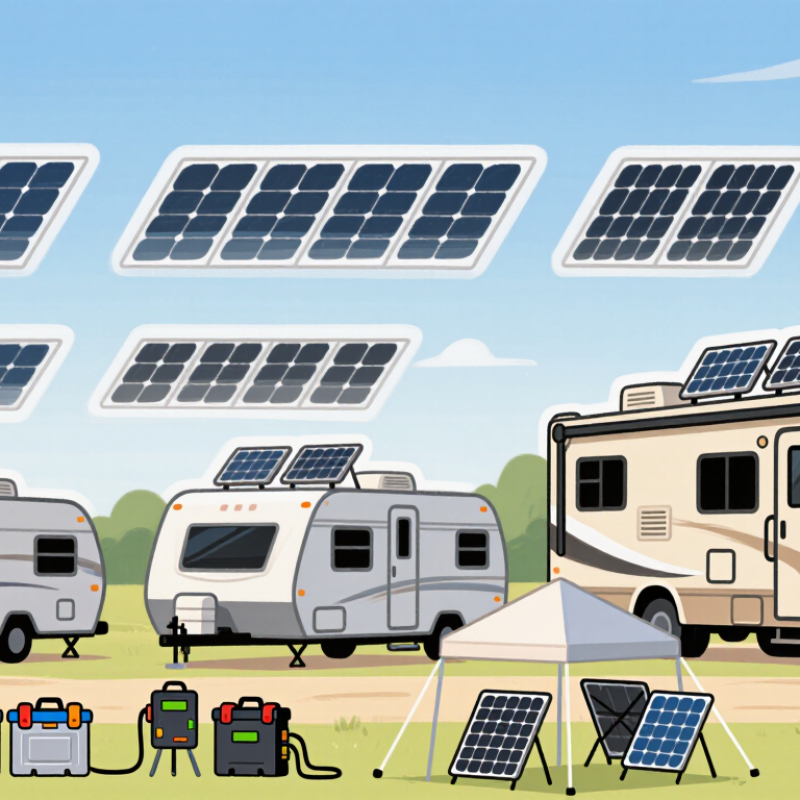
Understanding Solar Power Systems for RVs
Choosing among the top 10 solar power systems for RVs starts with understanding how each system works. A typical setup includes solar panels, a charge controller, batteries, wiring, and an inverter. Panels collect sunlight, while the controller protects the batteries from unsafe charging. The battery stores energy for lights, fans, water pumps, and small appliances. An inverter changes stored power into household-style electricity. More equipment does not always mean better performance.
Your travel habits matter. A weekend camper may need a compact system with limited battery storage. Full-time travelers often require larger panels, deeper battery capacity, and careful energy monitoring. Roof space, shade, weather, and battery chemistry also affect results. In my experience, beginners often estimate energy use too loosely. A coffee maker or heater can drain a battery surprisingly fast. Real measurements are more reliable than optimistic calculations.
Tips: List every device and its wattage. Multiply watts by daily operating hours. Leave extra capacity for cloudy weather. Keep panels clean and inspect cable connections regularly. Choose professional installation when roof work or electrical protection seems uncertain. A system that looks powerful on paper may perform poorly under tree cover. Small mistakes happen, so review your usage after several trips and adjust the system gradually.
Key Criteria for Comparing the Top 10 RV Solar Systems
Comparing the top 10 RV solar systems requires more than checking panel wattage. Start with usable energy, not advertised capacity. The U.S. Energy Information Administration reports that residential electricity use varies widely by season and location. RV demand changes even faster. A compressor refrigerator, roof fan, and inverter can drain a small battery overnight. Compare daily watt-hours, battery chemistry, inverter output, and recharge time. LiFePO4 batteries usually offer better usable capacity and cycle life than older lead-acid designs. However, they often cost more upfront. That trade-off matters.
The Solar Energy Industries Association and Wood Mackenzie reported 32.4 gigawatts of U.S. solar capacity added in 2023. This growth supports better controllers and more efficient panels. Still, portable systems face shade, heat, vibration, and limited roof space. Check real-world panel efficiency, temperature performance, controller type, cable length, and installation weight. A higher wattage rating may disappoint under tree cover. I have seen small shading losses become large afternoon shortages.
Tips: Measure your actual loads for three days. Record refrigerator cycles, laptop use, and inverter losses. Choose at least 20% extra capacity for cloudy weather. Confirm that the battery management system includes overcharge and temperature protection. Also inspect warranty terms, repair access, and water resistance. These details are less exciting, but they often decide reliability. The International Renewable Energy Agency reports continuing declines in solar costs, yet replacement parts and installation labor can still raise ownership expenses. That point is easy to miss.
The Top 10 Solar Power Systems for Different RV Needs
Choosing among the top 10 solar power systems for RVs depends on travel habits, battery capacity, and available roof space. A compact portable panel kit suits weekend campers who park under trees. A fixed roof system works better for frequent travelers. Hybrid systems combine both options when shade is unpredictable. Flexible panels reduce roof weight, but their heat tolerance and lifespan deserve careful checking.
For small trailers, a 100–200-watt system can support lights, phones, and a small refrigerator. Larger motorhomes may need 400–800 watts, an MPPT charge controller, and a correctly sized lithium battery. A budget PWM system can serve simple loads. It may waste more energy in cold or low-light conditions. For boondocking, prioritize a larger battery bank and a pure sine wave inverter. For cloudy regions, choose panels with strong low-light performance. Ten useful system types include portable, roof-mounted, hybrid, flexible, lightweight, high-capacity, budget, boondocking, trailer-specific, and motorhome systems.
Installation details matter more than impressive wattage. Measure roof shadows at different times, then calculate daily energy use in watt-hours. Keep cable runs short and protect exposed wiring from abrasion. A fuse near the battery is essential. Do not assume every system can run an air conditioner. That usually requires substantial battery storage and careful load management. A system can look perfect on paper yet disappoint after two shaded days. Rechecking winter production and real appliance usage prevents costly overconfidence.
What Are the Top 10 Solar Power Systems for RVs? - The Top 10 Solar Power Systems for Different RV Needs
| Rank | RV Need | Solar Array | Battery Storage | Charge Controller | Inverter | Estimated Daily Energy* | Approx. Roof Area | Best For |
|---|---|---|---|---|---|---|---|---|
| 1 | Compact Starter System | 100 W | 100 Ah, 12 V LiFePO₄ ≈ 1.28 kWh nominal | 10–15 A MPPT | 300 W pure sine wave | 0.30–0.40 kWh | 6–8 sq. ft. | Small trailers, van weekends, lights, phones, and small electronics |
| 2 | Essential Boondocking System | 200 W | 100 Ah, 12 V LiFePO₄ ≈ 1.28 kWh nominal | 20 A MPPT | 600 W pure sine wave | 0.60–0.80 kWh | 12–16 sq. ft. | Light daily loads such as refrigeration, lighting, fans, and device charging |
| 3 | Weekend Travel System | 300 W | 200 Ah, 12 V LiFePO₄ ≈ 2.56 kWh nominal | 30 A MPPT | 1,000 W pure sine wave | 0.90–1.20 kWh | 18–24 sq. ft. | Couples using a refrigerator, water pump, television, and kitchen appliances occasionally |
| 4 | Remote Work System | 400 W | 200 Ah, 12 V LiFePO₄ ≈ 2.56 kWh nominal | 40 A MPPT | 1,500 W pure sine wave | 1.20–1.60 kWh | 24–32 sq. ft. | Laptop, monitor, router, lighting, refrigerator, and moderate daily office use |
| 5 | Family Travel System | 600 W | 300 Ah, 12 V LiFePO₄ ≈ 3.84 kWh nominal | 50–60 A MPPT | 2,000 W pure sine wave | 1.80–2.40 kWh | 36–48 sq. ft. | Larger travel trailers with multiple occupants and higher entertainment loads |
| 6 | High-Usage Van System | 800 W | 400 Ah, 12 V LiFePO₄ ≈ 5.12 kWh nominal | 60–80 A MPPT | 2,000 W pure sine wave | 2.40–3.20 kWh | 48–64 sq. ft. | Full-time van living with cooking, refrigeration, computers, and daily DC loads |
| 7 | Four-Season System | 800 W | 400 Ah, 12 V LiFePO₄ ≈ 5.12 kWh nominal | 60–80 A MPPT | 2,000 W pure sine wave | 2.40–3.20 kWh | 48–64 sq. ft. | RVs needing dependable reserves for heating controls, fans, pumps, and low-sun conditions |
| 8 | Large Motorhome System | 1,000 W | 400 Ah, 12 V LiFePO₄ ≈ 5.12 kWh nominal | 80–100 A MPPT | 3,000 W pure sine wave | 3.00–4.00 kWh | 60–80 sq. ft. | Class A or large Class C motorhomes with substantial roof space and AC-ready wiring |
| 9 | Off-Grid Lifestyle System | 1,200 W | 600 Ah, 12 V LiFePO₄ ≈ 7.68 kWh nominal | 100–120 A MPPT | 3,000 W pure sine wave | 3.60–4.80 kWh | 72–96 sq. ft. | Extended boondocking with induction cooking, office equipment, refrigeration, and water systems |
| 10 | Solar-plus-Alternator System | 600 W roof array + vehicle charging | 300 Ah, 12 V LiFePO₄ ≈ 3.84 kWh nominal | 50–60 A MPPT + DC-to-DC charger | 2,000 W pure sine wave | 1.80–2.40 kWh solar plus driving input | 36–48 sq. ft. | RVs that frequently travel between shaded campsites or experience limited sunlight |
*Estimated daily energy assumes approximately four peak-sun hours, typical system losses, clean panels, and favorable orientation. Actual output varies with season, weather, shading, temperature, roof layout, and installation quality.
How to Install and Configure an RV Solar Power System
An RV solar power system should match your daily energy use, roof space, and travel habits. Fixed rooftop panels suit frequent travelers, while portable panels help when the vehicle stays under trees. List every load, including lights, refrigeration, fans, and device charging. Measure twice. A small energy audit prevents an expensive oversize system. For many RVs, a charge controller, lithium or lead-acid battery bank, inverter, and correctly sized wiring form the core setup.
Mount panels where vents and air conditioners cast minimal shade. Leave room for airflow and future maintenance. Route cables through a weatherproof roof entry, then seal the opening carefully with compatible sealant. I once underestimated cable distance; voltage loss became noticeable during cloudy afternoons. Cable size should reflect both current and run length. Install a fuse near the battery’s positive terminal, and keep connections tight, covered, and accessible. A multimeter can reveal reversed polarity before damage occurs.
Configure the controller for the battery’s exact chemistry and voltage. Set charging stages, temperature compensation, and low-voltage protection according to the battery manufacturer’s specifications. Shade matters. Test panel voltage, charging current, and inverter output separately under full sunlight. Do not connect an inverter directly to campground power wiring without approved transfer equipment. That shortcut can create serious hazards. Check the system after its first trip, because vibration may loosen terminals and reveal weaknesses that looked acceptable in the driveway.
Maintenance, Safety, and Performance Optimization for RV Solar Systems
Choosing among the top 10 solar power systems for RVs requires more than comparing wattage. Maintenance keeps performance predictable. Inspect roof-mounted panels every month for dust, leaves, cracked seals, and loose hardware. A soft brush and clean water usually work well. Avoid abrasive cleaners, which can scratch the glass and reduce output.
Check cable insulation near roof openings and storage compartments. Look for fading, heat damage, or sharp bends. Keep connectors dry and firmly joined. A properly rated fuse should protect each major circuit, while a reachable disconnect improves emergency safety. Batteries need ventilation when their design requires it, and terminals should remain clean and tight. Never cover a battery compartment with stored luggage. It can restrict airflow and hide warning signs.
Performance depends on small details. Park away from tall trees when possible, because partial shade can reduce production sharply. Track daily voltage and energy readings instead of trusting one afternoon’s result. Clean panels early in the morning, when their surfaces are cool. High temperatures can lower output, even under clear skies. I once blamed weak sunlight on a controller fault, but a loose terminal caused the problem. That mistake was avoidable. Leave space around the controller for airflow, and keep an inspection log with dates, readings, and repairs. A professional should test unfamiliar wiring or repeated battery faults. DIY confidence has limits.
