Top 5 Tips for Choosing Low Flatbed Transport Semi-Trailers?
Choosing the right Low Flatbed Transport Semi-Trailer is crucial for efficiency and safety in logistics. According to Robert Smith, an industry expert with over 15 years of experience, “The right trailer can make a significant difference in transport success.” This statement reflects the importance of informed choices in the selection process.
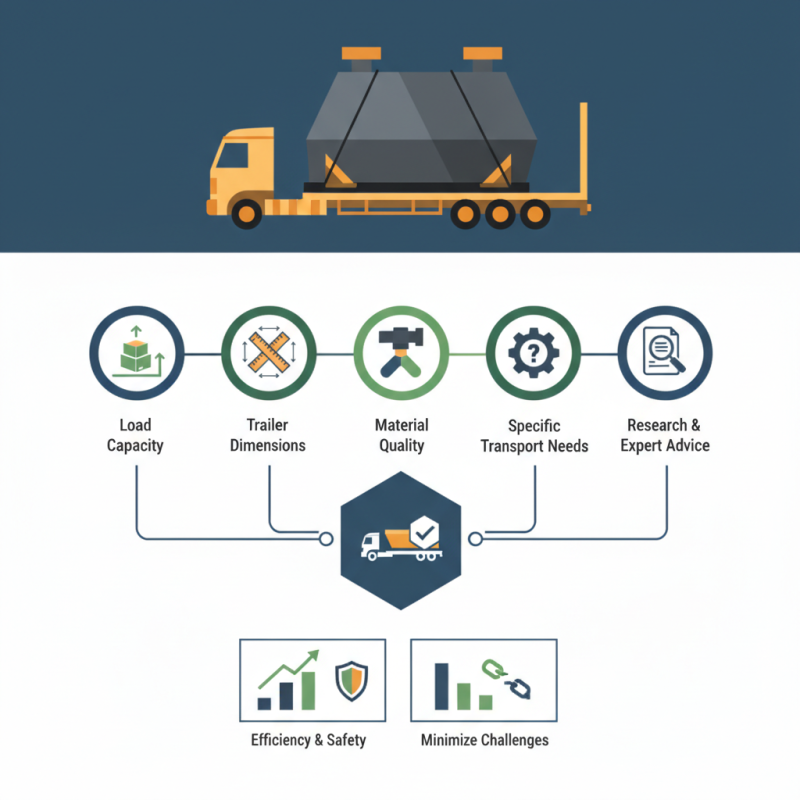
Many factors influence the decision. Load capacity, trailer dimensions, and material quality are key aspects to consider. Understanding your specific transport needs can lead to better options. Some trailers may not suit certain cargo types, leading to inefficiencies.
Investing time in research can enhance decision-making. Review product specifications and user experiences. However, buyers often overlook the value of expert advice. Engaging with specialists can clarify doubts and reveal practical insights. Ultimately, making an informed choice in Low Flatbed Transport Semi-Trailers can minimize challenges and enhance logistics performance.
Key Considerations for Weight Capacity in Low Flatbed Trailers
Choosing the right low flatbed semi-trailer requires careful consideration of weight capacity. Each trailer has a specific load limit that must be adhered to for safety and efficiency. Overloading a trailer not only jeopardizes the transport but can also lead to structural damage. Understanding the materials used in construction can help gauge their strength and reliability.
When evaluating weight capacity, consider your typical load types. Are you transporting heavy machinery or lighter goods? A trailer designed with reinforced beams may be necessary for heavier loads. Additionally, some trailers come with adjustable features, allowing for flexibility in load distribution. This flexibility can be beneficial for varying transport needs.
It's crucial to balance weight capacity with the overall stability of the trailer. A higher weight limit might seem attractive, but it can risk handling performance. Heavy loads can affect maneuverability, especially on uneven roads. Reflecting on your specific requirements is essential. Assessing how frequently you may approach the maximum limit will guide you in making a more informed decision.
Top 5 Tips for Choosing Low Flatbed Transport Semi-Trailers
This bar chart illustrates the importance rating of key considerations when choosing low flatbed transport semi-trailers. Each criterion is rated on a scale from 1 to 10, helping prospective buyers understand which factors to prioritize for optimal performance and value.
Understanding Trailer Dimensions and Their Impact on Transport Efficiency
When selecting low flatbed transport semi-trailers, understanding trailer dimensions is crucial. The right dimensions affect load capacity, fuel efficiency, and overall transport effectiveness. According to industry reports, a trailer's length, width, and height significantly influence its ability to handle cargo securely. For instance, optimizing the trailer length can increase payload by 5 to 10%, depending on the cargo type.
Width matters too. Wider trailers improve loading efficiency but may face regulatory restrictions. In the U.S., 102 inches is the standard maximum width. Exceeding this can complicate transport routes. Similarly, trailer height should align with highway clearance to avoid unnecessary delays or damage. A mismatch in these dimensions can lead to serious logistical challenges.
Additionally, factors like weight distribution and load stability stem from the overall dimensions of the trailer. Uneven load distribution can lead to decreased safety. Reports show that poor load management accounts for nearly 30% of accidents in freight transport. Thus, while choosing a low flatbed semi-trailer, reflecting on these dimensions and their implications is vital for safer and more efficient transport operations.
Evaluating Material Durability for Long-lasting Low Flatbed Trailers
When selecting low flatbed transport semi-trailers, material durability is crucial. High-quality materials ensure longevity and resistance to harsh conditions. According to industry reports, aluminum and high-strength steel are commonly used in trailer construction for their balance of weight and strength. Aluminum is lightweight, enhancing fuel efficiency, while steel provides robustness for heavy cargo.
One important tip is to evaluate the frame construction. A well-built frame minimizes flex under weight, reducing the risk of structural damage over time. It’s essential to consider the type of welding used. Continuous welds are typically stronger than stitch welds, providing better durability.
The decking material also affects the lifespan of flatbed trailers. Wood, while traditional, can deteriorate more quickly than composite or metal alternatives. Composite materials resist moisture and don’t warp, making them an excellent choice for frequent use. Additionally, check for protective coatings on your chosen trailer. These coatings guard against corrosion, prolonging the trailer's life.
Another tip is to investigate maintenance records and user reviews. Past performance can signal future reliability. Regular maintenance plays a vital role in durability too. Neglected trailers often face more issues, driving up ownership costs significantly. Always ask questions to understand the history of the semi-trailer you are considering.
Importance of Trailer Configuration for Specific Cargo Types
Choosing the right low flatbed transport semi-trailer is crucial for optimizing logistics. It's essential to consider the specific cargo types you intend to transport. The trailer configuration can significantly impact loading, stability, and safety. Each cargo type has its own requirements. For example, heavy machinery needs a strong, durable surface with enough support. Using the wrong trailer can damage valuable cargo or create unsafe transport conditions.
Weight distribution is another critical factor. A well-configured trailer ensures even weight distribution, which enhances safety during transit. Proper tie-down points are vital for securing loads, especially for oversized or unusually shaped items. Not all flatbed trailers offer the same features. Taking time to assess the cargo requirements can lead to better transport decisions.
Avoid making hasty choices based solely on price. Sometimes, a lower-cost trailer may not accommodate specific cargo needs effectively. This can lead to increased costs later due to damage or inefficiencies. Consider consulting with professionals in the transport industry. They can provide valuable insights based on their experiences. Properly configured trailers can save time and reduce risks associated with transport logistics.
Assessing Regulatory Compliance and Safety Standards for Flatbed Trailers
When selecting low flatbed transport semi-trailers, understanding regulatory compliance and safety standards is crucial. Each region has specific regulations governing trailer dimensions and weight limits. Familiarizing yourself with these can prevent costly fines and ensure safe operations. Regular inspections are essential to maintain compliance. They help identify potential issues before they become critical.
Consider the material and design of the flatbed. Trailers made from high-quality materials tend to hold up better over time. This durability directly affects safety, especially under heavy loads. Look for trailers that offer stability in various transport conditions. Also, examine the load-securing features closely. Adequate tie-down points can prevent cargo from shifting during transit.
Another key point is to evaluate manufacturer certifications. A reputable manufacturer adheres to strict safety protocols. Always request proof of compliance with safety standards. This should include documentation of testing and inspections. Ignoring these factors can lead to increased risks and liabilities. Make informed decisions by prioritizing safety and compliance.
Top 5 Tips for Choosing Low Flatbed Transport Semi-Trailers
| Tip No. | Tip | Description | Regulatory Compliance | Safety Standards |
| 1 | Evaluate Load Capacity | Ensure the trailer can handle the maximum weight you'll be transporting. | Check compliance with local weight limits. | Adherence to federal bridge law regulations. |
| 2 | Inspect Material Quality | Choose trailers made from high-strength materials for durability. | Must conform to material safety standards. | OSHA compliance for material properties. |
| 3 | Review Suspension System | A good suspension system ensures stability and less wear on the load. | Conforms to DOT standards for safety. | Adherence to vehicle stability regulations. |
| 4 | Assess Customization Options | Consider if the trailer can be customized for specific needs. | Follow modifications regulations from the manufacturer. | Ensure that modifications meet safety standards. |
| 5 | Check Maintenance History | Look for trailers with good maintenance records. | Documentation must meet regulatory standards. | Regular inspections as per safety regulations. |
