Top 10 Tips for Choosing an Integrated Servo Motor?
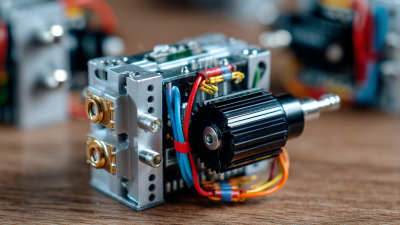
Choosing the right integrated servo motor can be daunting. With so many options available, it’s easy to feel overwhelmed. An integrated servo motor combines the motor, encoder, and drive into one unit. This design saves space and simplifies installation. Quality and performance are essential when selecting one.
When making a choice, consider your application. Some motors excel in high-speed scenarios, while others are better for precision tasks. Pay attention to torque ratings and speed specifications. A motor that meets your needs can enhance system efficiency. However, choosing the wrong one may lead to frustrating performance issues.
Don’t overlook compatibility with your control systems. An integrated servo motor should seamlessly connect to existing equipment. Occasionally, users find that technical specs look good on paper but do not work as intended in practice. Choosing wisely can lead to better outcomes, but it might require time and reflection. Decide carefully to avoid unnecessary complications later on.

Understanding the Basics of Integrated Servo Motors
Integrated servo motors are becoming increasingly popular in various industries. Their compact design allows for easy integration into machines and systems. According to a 2021 report by MarketsandMarkets, the global market for integrated servo motors is expected to reach $3.4 billion by 2026. This rapid growth reflects the need for efficiency and precision in automation.
When considering an integrated servo motor, it’s crucial to understand key specifications. Torque rating, response time, and operational range are essential factors. Many users overlook these details, which can lead to compatibility issues. A comprehensive understanding of the system requirements is necessary to avoid costly mistakes. Inadequate torque can limit performance. This may result in long-term inefficiencies.
Energy efficiency is another critical aspect. According to a study by the International Energy Agency, more than 30% of industrial energy consumption comes from electric motors. Choosing an efficient integrated servo motor can reduce both energy bills and environmental impact. However, many users still select motors based solely on initial cost. This decision often leads to higher operational costs in the long run, highlighting the need for thoughtful investment in technology.
Key Specifications to Consider When Choosing a Servo Motor
When selecting an integrated servo motor, it's essential to focus on key specifications.
Consider the torque requirements. The motor must deliver sufficient torque for your application.
According to industry reports, inadequate torque can lead to overheating and poor performance.
Another crucial aspect is the speed range. Different applications demand varying speeds.
If the servo motor can't meet these expectations, it will hinder production processes.
Keep an eye out for feedback mechanisms.
These mechanisms are vital for accuracy and control, which are often overlooked.
Remember, the size and weight of the motor are also pivotal. A compact motor can save space in machinery but may compromise power output.
A balance is necessary. Opt for a motor that fits nicely without sacrificing performance.
Always reflect on how each specification aligns with your project needs, as overlooking any detail may lead to frustrating inefficiencies.
Evaluating the Performance Requirements for Your Application
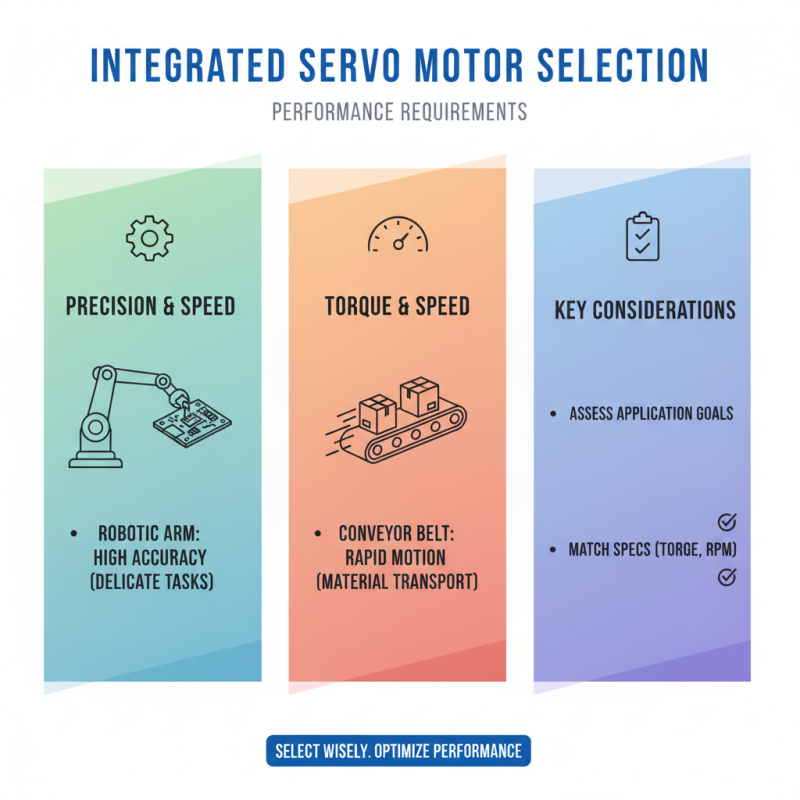
When selecting an integrated servo motor, understanding your performance requirements is crucial. Different applications demand varying levels of precision and speed. For example, a robotic arm may require high accuracy for delicate tasks. Meanwhile, a conveyor belt might prioritize rapid motion over precision. Assess the torque and speed specifications that align with your goals.
Pay attention to the load characteristics of your application. Is it consistent, or does it fluctuate? This can influence the selection process significantly. An underpowered motor may lead to performance issues. However, choosing an overpowered one can waste energy and increase costs. Sometimes, striking the right balance is a challenge.
Consider how the motor’s size and weight impact your design. Space constraints can limit your choices, but it is essential to avoid underestimating this factor. Small motors can be efficient but might lack robustness. On the other hand, larger motors offer strength but can complicate installation. Reflect on the integration process and whether your system can accommodate the motor's physical profile.
Assessing Compatibility with Existing Systems and Controls
When choosing an integrated servo motor, compatibility with your existing systems is essential. Check the motor's electrical specifications to ensure they align with your current setup. Pay attention to voltage and current ratings. An incompatible motor could lead to inefficiency or damage.
Mechanical compatibility is also crucial. Measure your available space and mounting options. It’s vital to ensure the motor’s dimensions fit without any adjustments. Missing this detail can lead to delays and unforeseen costs.
Lastly, consider communication interfaces. An integrated servo motor must communicate effectively with your control systems. Any mismatch in protocols might create integration issues. Validate compatibility with software and controllers. Reflections on these areas can help avoid operational headaches later on.
Analyzing Cost versus Benefits in Servo Motor Selection
When choosing an integrated servo motor, understanding cost versus benefits is crucial. The initial price often tempts buyers, but the total cost of ownership matters more. Cheaper options may lead to higher maintenance costs and lower efficiency. Think about the long-term implications.
Consider the application requirements carefully. A powerful motor can enhance productivity, while a less capable one may cause delays. Evaluate performance ratings and energy consumption. These factors can significantly affect your operational budget. Sometimes, investing more up front pays off in efficiency and reduced downtime.
Don't overlook support and warranty. A seemingly low-cost motor could mean hidden expenses if it fails. Think about reliability and potential repairs. It's a balancing act, weighing performance, cost, and reliability. This attention to detail can prevent costly mistakes later on.
Top 10 Tips for Choosing an Integrated Servo Motor
| Tip | Description | Advantages | Considerations |
|---|---|---|---|
| Assess Your Application Requirements | Understand the specific needs of your application. | Optimized performance and efficiency. | May require additional research. |
| Evaluate Motor Specifications | Review torque, speed, and power ratings. | Ensures the motor meets system demands. | Higher specifications may increase costs. |
| Consider Control Options | Determine if you need open-loop or closed-loop control. | Improved precision with closed-loop systems. | Closed-loop systems can be more complex. |
| Analyze Total Cost of Ownership | Consider initial cost plus maintenance and operating costs. | Potential long-term savings. | Higher initial investment might be required. |
| Check Compatibility with Existing Systems | Ensure seamless integration with current equipment. | Reduces installation time and costs. | May limit options if too restrictive. |
| Research Manufacturer Reliability | Investigate the reputation of manufacturers. | Increases confidence in product performance. | Established brands might cost more. |
| Review Customer Support Options | Evaluate available support and service networks. | Better assistance can lead to reduced downtime. | Support quality can vary between suppliers. |
| Consider Future Scalability | Plan for potential growth and application changes. | Saves costs on future upgrades. | Complex systems may evolve faster than expected. |
| Evaluate Environmental Conditions | Assess temperature, humidity, and exposure levels. | Ensures reliability in operating conditions. | May require specialized models. |
| Ask for Recommendations | Consult industry experts or peers for insights. | Gathers unbiased opinions on equipment. | Subjective experiences may vary. |
Related Posts
-
2025 Guide: How to Choose the Best Small Servo Motor for Your Robotics Project
-
7 Reasons Why Your Factory Needs an AC Servo Motor Today
-
Overcoming Common Challenges with Servo Motors: A Deep Dive into Performance and Reliability Issues
-
Understanding the Advantages of Integrated Servo Motors in Modern Automation
-
Electric Servo Motor Showdown: Which Type Reigns Supreme in Performance and Efficiency?
-
Addressing Common Calamities in High Torque Motor Procurement: A Global Perspective