
What Is a Single Line Single Hose LNG Dispenser?
A Single-Line and Single-Hose LNG Dispenser is designed to transfer liquefied natural gas through one dispensing line and one fueling hose. The layout can make the connection point easier to understand: one hose, a coupling, and a clearly defined path to the vehicle tank. Fewer hoses may simplify handling. They do not remove the need for careful operating procedures, compatible components, leak checks, and reliable emergency shutdowns.
The scale of the industry makes sound equipment design important. GIIGNL’s 2024 Annual Report records 401.4 million tonnes of LNG traded worldwide in 2023, showing the extensive logistics behind LNG supply and use. That figure describes global trade, not dispenser performance; readers should keep the distinction clear. A dispenser’s suitability depends on its rated flow, pressure range, connection design, and the requirements of the installation. Small details matter. A coupling that is difficult to position can complicate routine fueling.
A limitation deserves stating plainly: I cannot verify a published quotation from a named expert specifically about the Single-Line and Single-Hose LNG Dispenser, so I will not invent one. A credible introduction should use a traceable interview or technical publication before attributing a direct quote. For now, the practical question is straightforward: does the simpler arrangement support controlled transfer without obscuring essential safety checks?
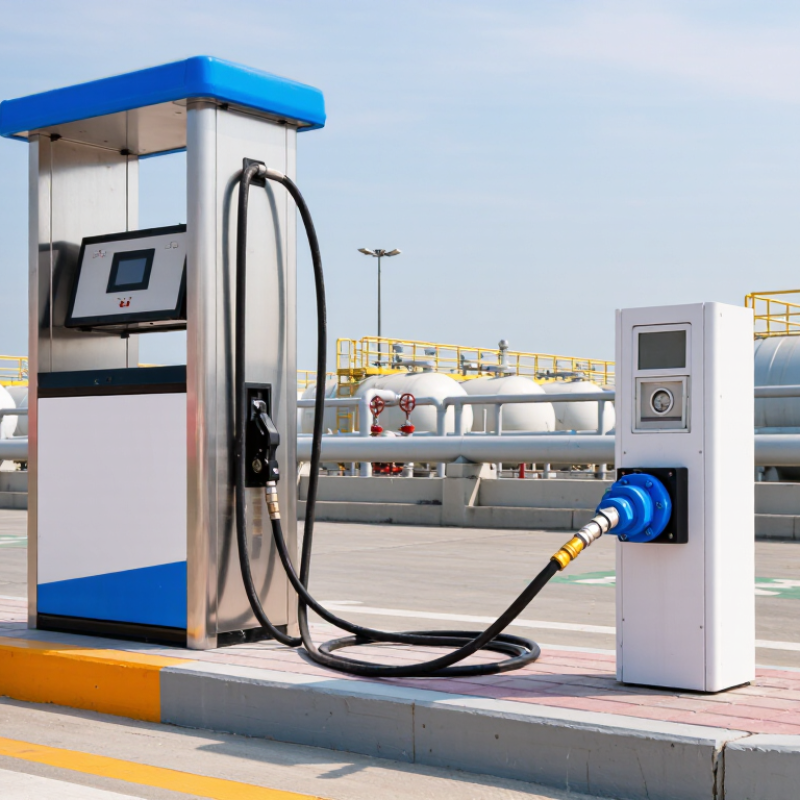
Definition and Purpose of a Single Line Single Hose LNG Dispenser
What Is a Single Line Single Hose LNG Dispenser?
A single line single hose LNG dispenser transfers liquefied natural gas from a supply system into a vehicle’s cryogenic tank through one dispensing hose. Its core purpose is controlled, measured refueling. The equipment may include a meter, valves, a pump, and emergency shutoff controls. LNG is typically stored near -162°C, so compatible components and careful handling matter. The exact arrangement varies by installation.
“Single line” describes the main product-transfer path; it does not mean the dispenser has no other safety or service connections. A single hose can make the driver’s connection sequence straightforward and reduce hose handling. That simplicity helps. Yet it does not replace training or routine inspection. GIIGNL’s 2024 Annual Report records 401.4 million tonnes of LNG traded worldwide in 2023, showing the scale of LNG logistics behind fueling systems. This figure describes global trade, not dispenser performance.
Tips: Before fueling, check the hose and coupling for visible damage, confirm the vehicle connection is compatible, and know where the emergency stop is. Follow the site’s operating procedure. A small leak should never be treated as a minor detail.
Main Components and Their Functions
What Is a Single Line Single Hose LNG Dispenser?
Main Components and Their Functions
A single-line, single-hose LNG dispenser sends fuel through one insulated delivery path. Its inlet and cryogenic valves control flow and isolate the line during service. LNG is typically stored near −162°C, according to the U.S. Department of Energy’s Alternative Fuels Data Center. That temperature makes vacuum-insulated piping and hose essential for limiting heat gain. Cold is unforgiving.
A mass-flow meter measures the dispensed fuel, while the controller displays quantities and manages the fueling sequence. At the hose end, a cryogenic nozzle connects to the vehicle receptacle; a breakaway coupling helps limit damage if the vehicle moves unexpectedly. An emergency stop provides a rapid shutdown. The exact layout varies: some systems rely on separate equipment to pressurize or supply LNG, and vapor handling depends on the installation. “Single hose” alone does not specify every system detail. GIIGNL’s 2024 Annual Report recorded about 401.4 million tonnes of global LNG trade in 2023, underscoring the scale of LNG handling and the value of dependable transfer equipment.
Tips: Inspect seals, hose insulation, and coupling engagement before dispensing. Keep the nozzle connection clean and dry. Check the manufacturer’s operating procedure; small details matter.
What Is a Single Line Single Hose LNG Dispenser? - Main Components and Their Functions
| Component or Feature | Main Function | How It Relates to a Single Line, Single Hose Dispenser |
|---|---|---|
| Single LNG supply line | Carries cryogenic liquefied natural gas from the fueling system to the dispenser and vehicle. | “Single line” describes one primary LNG delivery path through the dispenser; it does not by itself specify how the wider station handles vapor. |
| Inlet isolation valve | Stops LNG flow to the dispenser for shutdown, servicing, or maintenance. | Provides a means of isolating the dispenser from its upstream supply. |
| Strainer or filter | Helps prevent particles in the fuel stream from reaching sensitive downstream equipment. | When fitted, it protects metering and flow-control components; inspection and maintenance requirements depend on the equipment design. |
| Mass flow meter | Measures the quantity of LNG delivered. Coriolis meters are commonly used because they measure mass flow directly. | Provides the measurement used for the fueling transaction and, where supported, dispenser monitoring. |
| Flow-control valve | Regulates or stops LNG flow during a fueling sequence. | Works with the dispenser controls to start, limit, and end delivery according to the system design. |
| Pressure and temperature sensors | Monitor operating conditions in the LNG flow path. | Supply information for control, alarms, or protective actions where these functions are included. |
| Dispenser controller and display | Coordinates the fueling sequence and presents transaction or operating information to the user. | May process meter signals, show delivered quantity, and prevent or stop fueling when configured safety conditions are met. |
| Single fueling hose | Transfers LNG from the dispenser to the vehicle connection. | “Single hose” means one fueling hose is provided for the LNG delivery connection; hose construction and operating limits must suit cryogenic service. |
| Breakaway coupling | Designed to separate if excessive force is applied to the hose, helping limit damage and fuel release. | May be installed between the dispenser and hose, depending on the dispenser design and applicable requirements. |
| LNG fueling nozzle and vehicle receptacle connection | Forms the sealed connection through which LNG enters the vehicle’s onboard tank. | The nozzle must be compatible with the vehicle receptacle and used according to the equipment instructions. |
| Emergency stop and safety interlocks | Allow fueling to be stopped and can inhibit operation when specified safety conditions are not satisfied. | Exact devices and interlock logic vary by installation; emergency-stop locations and procedures should be identified at the site. |
| Vapor handling provisions | Manage vapor or pressure as required by the station and vehicle fueling system. | A single LNG delivery line and hose do not establish whether a separate vapor-return path is present elsewhere in the system. |
How the LNG Dispensing Process Works
A single-line, single-hose LNG dispenser moves liquefied natural gas from a storage system to a vehicle through one insulated hose. The process starts with checks: the operator confirms the vehicle connection is compatible and the equipment is ready. The nozzle is secured to the vehicle’s fill point. A tight connection matters.
The dispenser then sends LNG through the hose, with a meter tracking the amount delivered. LNG is extremely cold, so the hose and fittings are designed to limit heat transfer. A little frost near cold components can be expected, but unusual leaks or damage call for stopping the operation and following site procedures.
Then the flow begins. The vehicle tank accepts the fuel while its pressure and fill level are monitored. Depending on the equipment design, controls may stop delivery when a preset quantity or operating limit is reached.
The operator closes the flow, disconnects the nozzle as instructed, and checks that the connection is secure afterward. Cold changes everything.
Exact steps vary by dispenser and vehicle, so the equipment manual and trained-site procedures should guide each fill. In practice, the handoff can look simple; the details are not always obvious from outside the cabinet.
Safety Features and Operating Considerations
A single-line, single-hose LNG dispenser delivers liquefied natural gas through one transfer hose. Its compact layout can make the connection process easier to follow, but it does not remove cryogenic hazards. LNG can cause severe cold burns, and escaping gas can create a flammable mixture. Vapor handling varies by equipment design, so operators should never assume one dispenser works like another.
Safety depends on both built-in safeguards and careful use. Depending on the installation, these may include an emergency stop, automatic shutoff, pressure protection, and a breakaway coupling. Before fueling, trained personnel should check the hose, coupling, and visible indicators for damage or abnormal frost. Confirm the vehicle connection is compatible, then follow the site procedure for connecting and monitoring the transfer. Keep hands clear of cold fittings. Small details matter.
Stop the operation if a leak is suspected, pressure behaves unexpectedly, or an alarm activates. Do not try to fix a pressurized connection. After transfer, close the valves and disconnect only as directed by the equipment instructions. Keep the area clear, and make sure emergency controls are accessible. A checklist helps, though real sites can be messy; that is exactly when staff should slow down and verify each step.
Typical Applications and System Limitations
A single-line, single-hose LNG dispenser transfers cryogenic fuel through one dedicated hose and nozzle. Typical applications include truck depots, fleet yards, and highway refueling sites serving LNG-powered heavy-duty vehicles. At a depot, a driver can park beside the dispenser, connect the coupling, and refuel before the next scheduled route. One vehicle at a time. This arrangement keeps the equipment straightforward, but limits simultaneous service.
The U.S. Department of Energy’s Alternative Fuels Data Center reports that liquefied natural gas occupies about 1/600 of its gaseous volume. That compact storage helps fleets carry useful fuel onboard, but dispensing requires equipment designed for very low temperatures. GIIGNL’s 2024 Annual Report recorded about 401.4 million tonnes of global LNG trade in 2023. That scale indicates an established supply chain, not guaranteed access at every depot. A single hose can also create queues during shift changes. Operators must check vehicle-tank compatibility, connection condition, and site procedures before transfer. Throughput depends on the dispenser’s design and the vehicle’s tank conditions; a simple layout does not mean every fill is equally fast. There is a practical trade-off here. Less equipment can mean less flexibility.
