What is a Piston Filler and How Does It Work?
A Piston Filler is a crucial tool in various industries, including food, cosmetics, and pharmaceuticals. It is designed for precise liquid filling. Understanding how this machine operates can enhance production efficiency and accuracy. The mechanism involves a piston that draws liquid into a chamber and dispenses it into containers.
Many manufacturers rely on Piston Fillers for their reliability and speed. However, not all fillers are created equal. Factors like viscosity and fill volume impact performance. Each filling process poses unique challenges. This complexity can make it challenging for businesses to choose the right equipment.
Investing in a suitable Piston Filler can lead to significant cost savings. It’s essential to consider specific needs and operational requirements. A detailed analysis can help in making informed decisions. Understanding these aspects can also help identify potential shortcomings. Businesses must remain adaptable, improving their filling operations continuously.
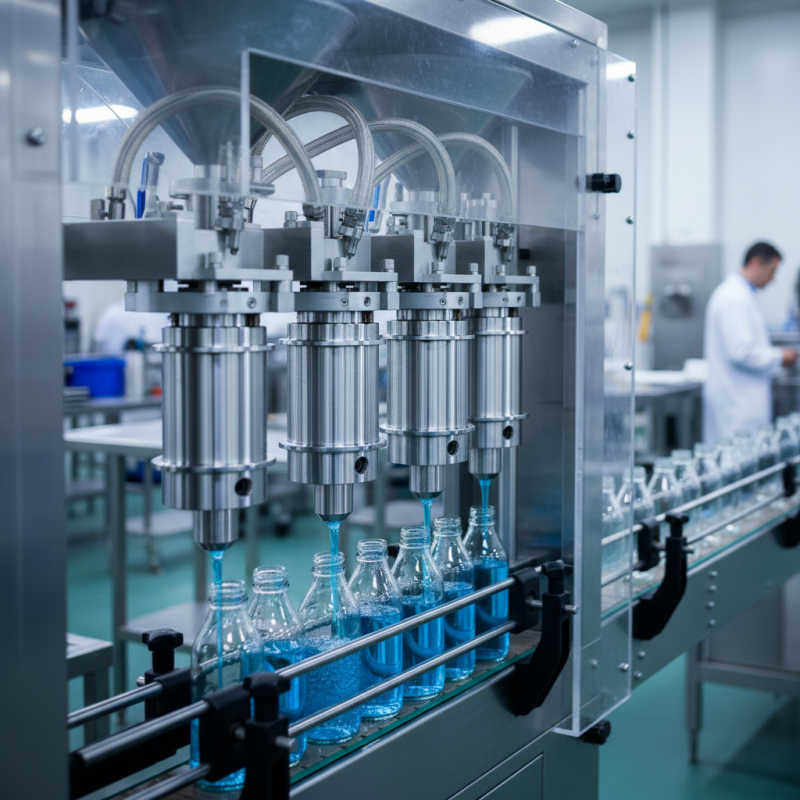
What is a Piston Filler?
A piston filler is a reliable tool used in various industries. It serves to fill containers with liquids, creams, or other semi-viscous products. This equipment consists of a cylinder and a piston mechanism. The piston moves back and forth to draw fluid in and then dispenses it into the desired container.
Using a piston filler can streamline your production process. These machines can handle a variety of viscosities. However, they require careful calibration to ensure accuracy. If not properly maintained, issues like drips or inconsistent fill levels can arise. Regular cleaning of the fill heads and components is essential.
Tips: For optimal results, keep an eye on your filling speed. Too fast may cause overflow, while too slow can hurt productivity. Always run test cycles before a full production run. This practice helps you adjust settings and avoid costly mistakes.
Principle of Operation of Piston Fillers
Piston fillers are widely used in diverse industries for packaging liquids and semi-solids. Their operation relies on a simple yet effective principle: utilizing a piston-driven mechanism. This mechanism draws fluid into a cylinder and expels it into containers, ensuring precise fill volumes. According to industry reports, these fillers can achieve an accuracy rate of up to 99%, making them highly reliable for various applications.
The piston operates in a straightforward manner. As the piston retracts, it creates a vacuum that pulls the product from the supply tank into the cylinder. When the piston moves forward, it displaces the fluid into bottles or containers. This system minimizes spillage and ensures uniformity in every fill. Data suggests that over 70% of companies in the food and beverage sector prefer piston fillers for their reliability and speed, often citing increased productivity.
Despite their advantages, piston fillers are not without drawbacks. The initial setup cost can be significant. Maintenance is also crucial, as wear and tear can lead to inaccuracies. Operators must regularly inspect and calibrate the equipment. In addition, not all fluids are suitable for this method. Highly viscous products may require different machinery. It's essential for manufacturers to weigh the pros and cons before implementation.
Components of Piston Fillers and Their Functions
Piston fillers are essential in various industries for their efficiency in liquid dispensing. Understanding their components sheds light on how they operate. Primary elements include the piston, cylinder, and control system. Each part plays a unique role in achieving precision filling.
The piston is crucial. It moves back and forth, creating suction to draw in the liquid. This movement is carefully calibrated, ensuring the right volume is filled each time. The cylinder encases the piston. It must be smooth to allow easy movement. Any imperfections can lead to inaccuracies, affecting production quality.
The control system manages the piston’s speed and stroke length. An effective control system is vital for consistency. Operators can adjust settings depending on the liquid's viscosity. This adaptability is a strength of piston fillers. However, improper calibration can create challenges. Regular maintenance can prevent issues and keep operations running smoothly, but it is often overlooked. Understanding these components helps in optimizing the filling process and enhancing productivity.
Piston Filler Performance Metrics
Applications of Piston Fillers in Various Industries
Piston fillers are widely used across various industries due to their precise filling capabilities. In food and beverage sectors, they ensure accurate portioning of sauces and dressings. According to a report by Research and Markets, the demand for piston filling machines in the food industry has grown at a compound annual growth rate (CAGR) of 4.5% in recent years. This trend highlights the need for efficiency and accuracy in production processes.
Cosmetics and pharmaceuticals also benefit significantly from piston filling technology. These industries require high standards of hygiene and precision in their packaging. A recent study indicates that piston fillers can achieve filling accuracy within ±0.5%. This level of precision is critical for products like creams, ointments, and serums. However, manufacturers must regularly inspect equipment to maintain these standards. Neglecting maintenance can lead to inconsistencies in product quality.
Tip: Regular maintenance checks can prevent costly downtime. Ensure that all components of the filler are cleaned and inspected routinely.
In the chemical sector, piston fillers handle viscous materials like adhesives and lubricants. This versatility makes them essential in production lines. Nonetheless, operators must be trained to handle these machines. Improper use can result in spills or product contamination. Ongoing training programs can improve productivity and safety in these environments.
Tip: Investing in staff training not only enhances efficiency but also reduces risks associated with machine operation.
Advantages and Limitations of Using Piston Fillers
Piston fillers are popular in the packaging industry. They offer several advantages, making them a choice for various applications. One significant benefit is their efficiency. According to recent industry reports, piston fillers can achieve filling speeds up to 80 cycles per minute. This efficiency is crucial for high-demand production lines.
However, piston fillers also have limitations. They may struggle with very viscous materials. Products like thick creams or gels can cause inconsistent filling. In fact, studies show that about 15% of production issues stem from the viscosity of the material being filled. Furthermore, while piston fillers provide accuracy, they require precise calibration. Any variation in material density can lead to discrepancies in fill volumes.
Regular maintenance is essential to keep piston fillers in top condition. Neglecting this can lead to increased downtime. Some operators report a rise in maintenance costs that can reach up to 10% of total production costs. This should be considered when evaluating the overall efficiency of piston fillers. Businesses must weigh these factors to determine if piston fillers fit their production needs effectively.
What is a Piston Filler and How Does It Work? - Advantages and Limitations of Using Piston Fillers
| Feature | Details |
| Definition | A piston filler is a machine used to fill containers with a specific volume of liquid or semi-liquid products using a piston mechanism. |
| Working Principle | The mechanism involves a piston that creates a vacuum to draw product into a chamber, then pushes it out into the container under pressure. |
| Typical Applications | Used in industries such as food and beverage, cosmetics, pharmaceuticals, and chemicals for filling various products. |
| Advantages | High accuracy in filling, suitable for thick and viscous products, easy to clean and maintain, versatile for different container sizes. |
| Limitations | May require frequent calibration, potential for product wastage, not ideal for foamy or aerated liquids, higher initial investment compared to gravity fillers. |
