
How to Choose the Best Drone Detector for Your Needs?

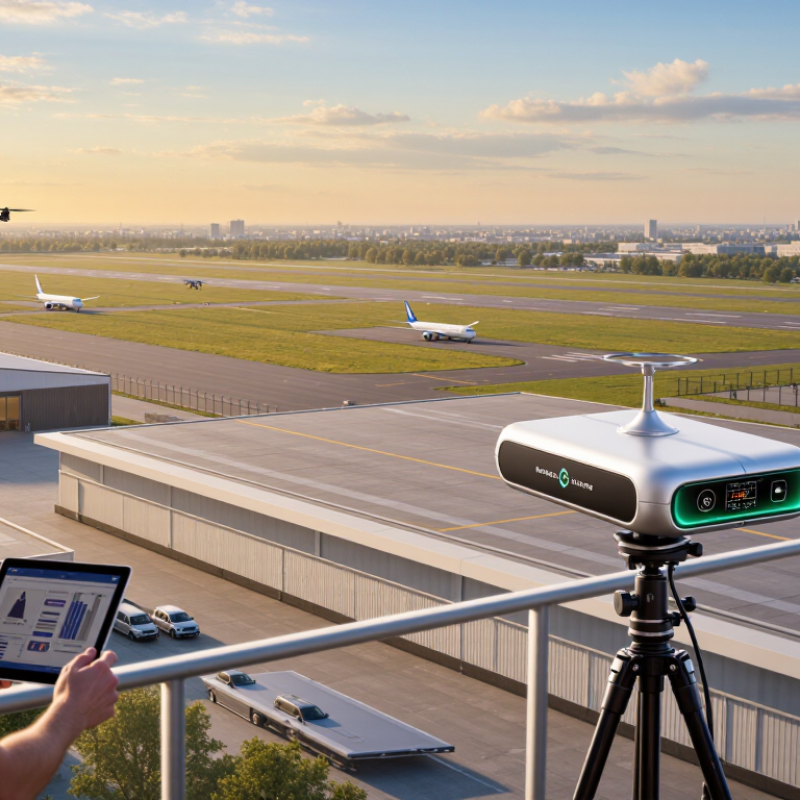
Choosing the right Drone Detector requires more than comparing detection range or buying the highest-priced model. The correct choice depends on your site, risk profile, operating environment, and response capacity. A busy airport perimeter needs different coverage from a warehouse roof or a public event venue. Begin with the real question: what must the system detect, and how quickly must staff understand the alert?

Industry evidence supports careful planning. The FAA’s Aerospace Forecast Fiscal Years 2025–2045 describes continued expansion in unmanned aircraft activity and the need for safe integration into national airspace. EASA’s Annual Safety Review 2024 also highlights the growing importance of managing unmanned aircraft risks through stronger awareness, procedures, and technology. These reports do not suggest that one device fits every location. They point toward layered, risk-based decisions.

Performance details matter. A detector should be evaluated for radio-frequency coverage, protocol recognition, detection range, update speed, weather tolerance, and integration with approved monitoring systems. Ask how it behaves beside metal structures, Wi-Fi networks, trees, and crowded urban signals. False alarms are costly. Missed alerts are worse. No detector is perfect.

A practical evaluation should include supervised field testing at different times of day. Record alert accuracy, battery or power requirements, operator workload, and maintenance needs. Check whether the supplier publishes test methods, limitations, firmware policies, and independent validation. NIST’s guidance on trustworthy measurement and system evaluation offers a useful mindset: measurable performance is more reliable than marketing language. The final decision should support lawful, proportionate, and safety-focused operations. Even experienced teams can overlook blind spots. This guide helps expose them.
How to Choose the Best Drone Detector for Your Needs?

Define Your Drone Detection Needs and Operating Environment

How to Choose the Best Drone Detector for Your Needs?

Begin by defining what you need to detect and where detection will happen. A quiet warehouse differs greatly from an open sports field. Measure the site, note nearby buildings, and record common radio interference. Decide whether you need early warnings, location tracking, or simple alerts. Your response team may need several minutes to verify an alert safely.

Tips: Walk the site at different times. Test near metal structures, trees, and moving vehicles. Write down false alerts. They reveal weaknesses.

Detection range should match the real operating environment, not an ideal laboratory. Weather, walls, terrain, and network coverage can change performance. Ask for tested results under conditions similar to yours. I have found that clear alert details matter more than impressive range figures. An alert showing time, direction, and confidence level supports better decisions.

Do not overlook installation and maintenance. A detector that requires constant adjustment may fail during a busy event. Check power options, data storage, software updates, and staff training needs. You may also need several sensors for larger or obstructed areas. That costs more. Still, one poorly placed unit can create false confidence. Run a supervised trial, review the records, and revise your requirements before making the final choice.

Compare the Main Types of Drone Detection Technology

Choosing a drone detector starts with the environment, not the advertised detection distance. A busy city rooftop creates different problems from an open farmland boundary.

Radio-frequency detectors passively listen for communication signals between a drone and its controller. They can identify activity before a drone becomes visible. However, autonomous flights may produce little or no detectable radio traffic.

Radar measures movement and distance directly. It performs well in darkness, light rain, and wide outdoor areas. Yet birds, branches, and nearby vehicles can create false alerts. Careful software tuning becomes essential.

Optical systems use cameras to confirm visual details. They help operators distinguish a small aircraft from a bird or plastic bag. Their performance declines at night, in fog, and behind buildings. Thermal cameras can improve nighttime awareness, but they may struggle with very small objects.

Acoustic detectors listen for propeller and motor noise. They are useful at short distances, especially in quiet locations. Wind, generators, and traffic can quickly reduce accuracy. The technology is practical, but not magical.

A multi-sensor system combines these methods and compares their evidence. In a realistic site trial, RF alerts might guide the camera toward a moving target. Radar can then confirm its direction and speed. This layered approach usually improves confidence, although it costs more and needs skilled maintenance.

Test detection against local conditions before buying. Record false alarms, missed targets, alert speed, and night performance. No detector is perfect. I would also question impressive laboratory results, because real rooftops are messier than test ranges. Ensure data handling follows privacy requirements and limits unnecessary recording.

How to Choose the Best Drone Detector for Your Needs?

Comparison of the Main Types of Drone Detection Technology

Scores use a 1–5 comparative scale based on commonly documented technical characteristics. RF detection is passive and effective when a drone communicates with a controller, while radar provides strong range and all-weather performance. Optical/IR systems can help identify a drone visually, but their performance depends on lighting and visibility. Acoustic detection is useful at short range and can complement other sensors. Actual results vary with sensor design, terrain, weather, drone size, and operating environment.

Evaluate Detection Range, Accuracy, and Identification Features

Choosing the Best Drone Detector for Your Needs

Choosing a drone detector begins with its real detection range, not its advertised maximum. In field testing, buildings, trees, weather, and radio interference can reduce coverage quickly. A detector may claim several kilometers, yet perform differently beside concrete walls. Measure the distance around your actual site. More range is not always better. Excessive sensitivity can create frequent false alerts.

Accuracy matters just as much. Compare detection results during quiet periods and normal site activity. Record missed signals, repeated alerts, and response time. A reliable detector should identify drone activity consistently without overwhelming operators. I once trusted a range specification too much and overlooked accuracy near metal structures. That mistake changed how I evaluate equipment now.

Identification features add useful context. Look for systems that distinguish drone signals from ordinary wireless activity, when technically possible. Some tools provide aircraft type, signal direction, or operator-related information. Treat these details as indicators, not absolute proof. Human review remains important, especially when conditions are difficult. Choose equipment that supports authorized, privacy-conscious monitoring and clear data handling.

Tips: Test range at several distances. Check performance in rain and crowded areas. Review false alerts weekly. Ask for independent test evidence. Keep a written record of limitations.

Review Legal, Privacy, Installation, and Maintenance Requirements

How to Choose the Best Drone Detector for Your Needs?

Legal compliance should guide every detector decision. Requirements vary by country, region, property type, and intended use. Check aviation rules, radio-frequency regulations, and data-protection obligations before purchasing equipment. Privacy comes first. A detector may collect signal data, location information, or identifying patterns. Define what the system records, who can access it, and how long records remain stored. Clear signage and written access policies can reduce confusion. A qualified legal adviser or local regulator should review the plan before installation.

Installation quality affects accuracy more than many buyers expect. Conduct a site survey before selecting mounting points. Tall structures, metal surfaces, dense walls, and nearby transmitters may weaken performance. Provide stable power, protected network connections, and weather-resistant housing. Keep detection zones focused on your property. Avoid collecting unnecessary information from neighboring areas. Certified installers can document coverage, calibration, and known blind spots. No detector is perfect. False alerts may still occur.

Maintenance requires more than occasional cleaning. Create a schedule for inspections, software updates, sensor testing, and battery replacement. Test alerts under controlled, authorized conditions, then compare results with real site conditions. Record every change in a maintenance log. This supports reliability and future troubleshooting. Staff also need practical training, especially for privacy handling and incident reporting. A rushed installation can look successful at first. Later, small errors become expensive. Keep it documented.

Test and Select the Best Drone Detector for Your Budget

How to Choose the Best Drone Detector for Your Needs?

The best drone detector depends on your site, risks, and budget. The FAA’s 2024 Aerospace Forecast estimates that the U.S. commercial drone fleet may reach about 1.18 million aircraft by 2028. That growth makes dependable detection more important for warehouses, venues, and critical facilities. Start with your environment. Walls, trees, metal structures, and nearby radio equipment can reduce detection range.

Test before purchasing. Ask for a supervised trial, not only a product demonstration. Walk the detector around your normal perimeter with several drone types nearby. Record detection distance, alert speed, false alarms, and battery life. Test during daylight and after dark. Also test near Wi-Fi routers, cellular equipment, and busy roads. CISA guidance supports risk-based, layered security, rather than relying on one technical control. A cheap unit may look impressive. It may still miss unfamiliar signals.

Divide your budget into equipment, installation, training, and maintenance. Entry-level RF detectors may suit small private sites, but they often provide limited identification. Mid-range systems usually offer better logging, directional information, and wider coverage. Advanced systems can combine RF, radar, and optical data, but integration costs rise quickly. The “best” detector is not always the most sensitive one. It is the one your staff can understand and verify. Keep a trial record, including every missed alert. That uncomfortable evidence matters. Recheck performance every few months, because the local radio environment changes.

How to Choose the Best Drone Detector for Your Needs? - Test and Select the Best Drone Detector for Your Budget

A practical comparison of common drone-detection technologies by performance, deployment requirements, and indicative budget.

Detector Type Primary Detection Method Typical Detection Distance Identification Capability Main Strengths Key Limitations Typical System Cost Range Best-Suited Use Case Overall Value
Passive RF Detector Monitors radio-frequency control, telemetry, and video links without transmitting a signal. Approximately 1–5 km in open, unobstructed conditions; range varies significantly with transmitter power, antenna height, and terrain. Can often indicate drone activity, communication protocol, direction, and sometimes the control position; usually cannot provide visual confirmation. Low power consumption, silent operation, rapid alerts, and relatively simple installation. Less effective against autonomous drones, radio-silent flights, encrypted links, or drones operating outside the monitored frequency range. Approximately US$500–US$10,000 for portable or fixed monitoring equipment. Homes, events, construction sites, and security teams needing an affordable first-layer warning system. ★★★★☆
Short-Range Radar Uses reflected radio waves to detect moving objects and estimate range, bearing, altitude, and speed. Approximately 1–10 km for small drones, depending on radar frequency, antenna design, drone size, clutter, and weather. Provides reliable movement tracks but normally requires optical or RF sensors for drone model or operator identification. Works day and night, detects radio-silent drones, and can maintain tracks in low visibility. Higher cost, possible false alarms from birds or other moving objects, and performance can be reduced by buildings, vegetation, and ground clutter. Approximately US$5,000–US$50,000 for compact or site-level systems. Industrial facilities, airports, utilities, and locations requiring persistent detection beyond radio-linked drones. ★★★★☆
Electro-Optical Camera Uses visible-light cameras to observe and verify airborne objects. Approximately 0.5–3 km for practical visual confirmation, depending on lens, lighting, weather, drone size, and operator skill. Excellent potential for visual confirmation, classification, and recording when the drone is within line of sight. Provides direct evidence, supports human verification, and can distinguish drones from many non-drone targets. Requires adequate light and visibility; cannot reliably detect concealed, distant, or visually obscured drones by itself. Approximately US$1,000–US$20,000, excluding advanced analytics or supporting sensors. Security verification, incident documentation, and sites where visual evidence is important. ★★★☆☆
Thermal or Infrared Camera Detects differences in thermal radiation rather than visible color or reflected light. Approximately 0.3–2 km for practical drone observation; performance depends on thermal contrast, optics, humidity, and atmospheric conditions. Can support night-time confirmation and tracking, but detailed identification may be limited at long distance. Operates in darkness and can complement visible cameras in night-security applications. Usually costs more than standard cameras; rain, fog, humidity, and low thermal contrast can reduce detection quality. Approximately US$3,000–US$30,000 depending on resolution, lens, and stabilization. Night surveillance, critical infrastructure, and locations with limited ambient lighting. ★★★☆☆
Acoustic Detector Analyzes the characteristic sound patterns produced by drone motors and propellers using microphone arrays. Approximately 100–500 m in typical outdoor conditions; effective distance decreases with wind, traffic, machinery, and other background noise. May classify drone sound signatures but generally provides limited model or operator identification. Low-cost, passive, and useful where radio emissions are absent or unavailable for monitoring. Short range, sensitive to environmental noise, and less reliable in windy or highly urban environments. Approximately US$300–US$10,000 for portable or networked systems. Small sites, temporary security zones, and locations needing an additional low-cost sensor layer. ★★★☆☆
Multi-Sensor Fusion System Combines two or more technologies, commonly radar, RF, visible or thermal cameras, and acoustic sensing. Approximately 1–10 km for initial detection, with shorter practical ranges for detailed visual identification. Best overall capability because multiple sensors can provide detection, tracking, classification, and visual confirmation. Improved reliability, fewer single-sensor blind spots, better performance against autonomous or radio-silent drones, and stronger evidence collection. Highest purchase and integration cost; requires careful calibration, network connectivity, maintenance, and trained operators. Approximately US$20,000–US$150,000 or more, depending on coverage, software, and installation complexity. Airports, prisons, military facilities, major events, energy sites, and other high-security locations. ★★★★★
Selection guidance: Choose passive RF detection for the lowest-cost alerting layer, radar when detection of radio-silent drones is important, optical or thermal cameras when visual evidence is required, and multi-sensor fusion when the site needs continuous detection and verification. Actual performance depends on terrain, antenna or camera height, weather, interference, drone size, flight profile, and local regulations. The cost figures are broad indicative ranges for equipment and may exclude installation, software subscriptions, networking, training, and maintenance.