
2026 How to Choose the Right High Torque DC Motor for Your Project?
Choosing the right high torque DC motor for your project can be challenging. Several factors influence your decision. Understanding these factors is crucial for optimal performance.
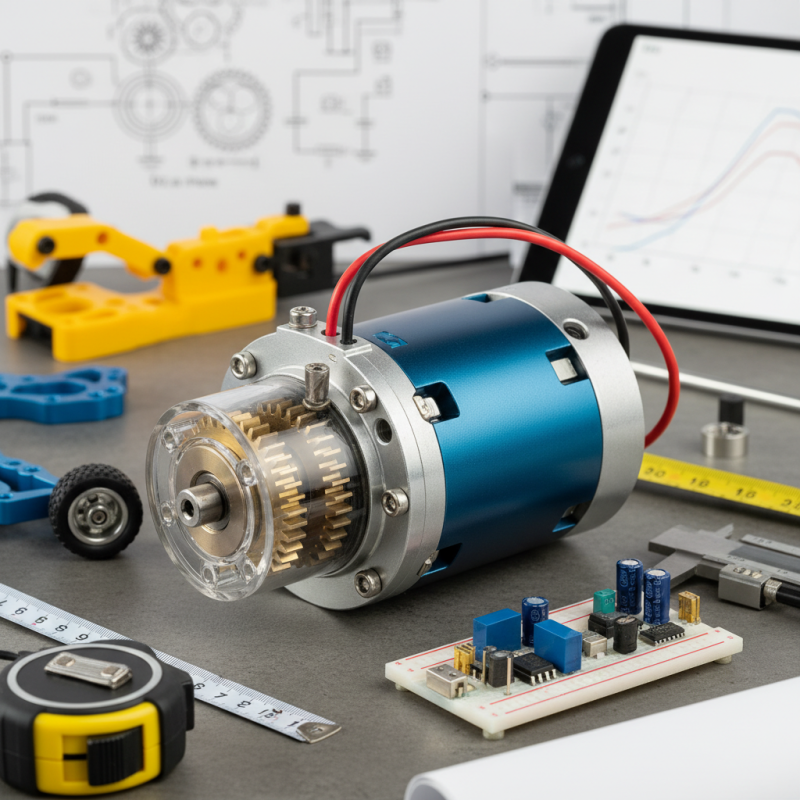
High torque DC motors are essential for applications requiring significant force. They excel in robotics, automotive, and industrial equipment. Selecting the wrong motor may lead to inefficiencies or project delays. Weight and size are critical considerations when choosing a motor. A compact design may be needed for tight spaces.
Users often overlook voltage and current ratings. These specifications directly impact the motor's power and efficiency. Additionally, thinking about gear ratios can shape your project's outcome. A well-chosen high torque DC motor can make a difference. Evaluating your project needs is key to success.
Understanding High Torque DC Motors: Key Specifications Explained
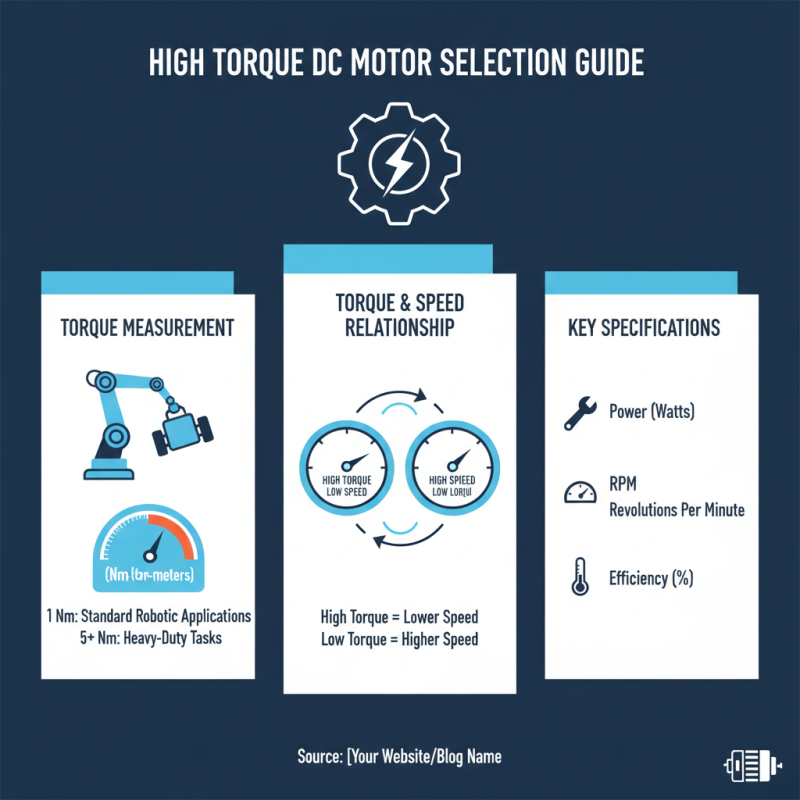
When selecting a high torque DC motor, it’s vital to understand key specifications. Torque is often measured in Newton-meters (Nm). A motor with 1 Nm is strong enough for many robotic applications. However, for heavy-duty tasks, consider motors offering over 5 Nm. The relationship between torque and speed is crucial. A motor can deliver high torque at low speeds but may not be as effective at high speeds.
Power is another significant factor. It’s measured in watts, representing how much work a motor can perform over time. Motors delivering 100 watts or more are typically suitable for industrial tasks. Efficiency ratings also matter. Motors with efficiency over 85% are desirable. They waste less energy and produce less heat. A report by the International Electrotechnical Commission notes that inefficient motors can increase operational costs by up to 30%.
Lastly, consider the duty cycle. This indicates how long a motor can run without overheating. Continuous duty motors can run for several hours, while intermittent ones may need breaks after short use. Understanding these details helps ensure the chosen motor fits your project needs. It's not always straightforward. Making the right choice requires considering these specifications carefully.
Torque vs. Speed: Balancing Performance for Your Project's Needs
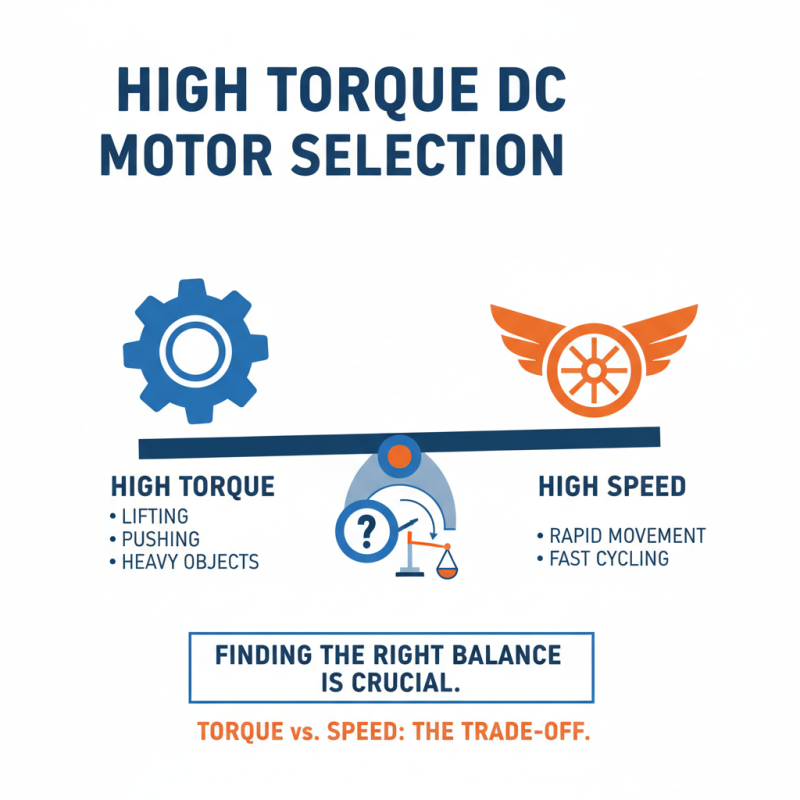
When choosing a high torque DC motor, the balance between torque and speed is crucial. High torque is essential for applications needing force. This includes lifting, pushing, or rotating heavy objects. However, high speed can be equally important for tasks requiring rapid movement. Finding the right trade-off can be challenging.
One key tip is to analyze your project's requirements. Identify the tasks your motor must perform. Does it need to move bulky items slowly, or quickly navigate tight spaces? These questions will steer your decision. For example, if your application requires power over speed, opt for a motor designed to deliver high torque.
Experimenting with different motor configurations can reveal unexpected insights. Sometimes, what you think will work may not. Monitor and adjust parameters during testing. This might boost efficiency or performance. Pay attention to heat generation, as high torque can lead to overheating. A motor may fail unexpectedly if not properly assessed.
Selecting the Right Voltage and Current Ratings for Efficiency
When selecting a high torque DC motor, understanding voltage and current ratings is crucial for efficiency. Voltage impacts performance. Choosing the right voltage ensures that the motor operates within its optimal range. Too low voltage can lead to underperformance, while excessive voltage may cause overheating. Industry reports indicate that running a motor at its rated voltage improves lifespan by 20%.
Current ratings also play an essential role. The motor's stall current should not exceed the system's capacity. This could damage components. Proper current selection helps avoid issues like power loss and excessive wear. According to a study from the IEEE, motors operating above their rated current can experience up to 30% reduction in efficiency.
Tips: Measure your load requirements accurately. Determine the actual torque needed during operation. Make adjustments for safety margins.
Consider environmental factors that may affect your motor. Temperature can alter voltage and current behaviors. If it gets too hot, performance will drop. Periodic checks of the motor's performance under load conditions will help highlight efficiency issues. Strive for a balance between power needs and the motor’s limits.
2026 How to Choose the Right High Torque DC Motor for Your Project
Evaluating Motor Size and Mounting Options for Space Constraints
When choosing a high torque DC motor, space constraints are critical. Evaluating the motor size is essential for effective integration into your project. Compact designs can save space but may limit power. Consider the dimensions of your mounting area. Will the motor fit? This simple question can influence your entire project's success.
Mounting options should also be examined closely. Different arrangements may affect performance. A traditional bracket might be too bulky for tight spaces. You could opt for custom mounts, but this is often overlooked. A well-placed motor can enhance efficiency, but improper alignment could lead to reduced torque and vibration issues.
Remember, not every high torque DC motor fits every application. You must measure and assess your area carefully. Height and width might conflict with your design, leading to frustrations during assembly. Evaluate the overall layout and leave room for adjustments. Don't rush this process; small mistakes can lead to significant setbacks. Proper sizing and thoughtful mounting will pave the way for a successful project.
Comparing Costs: Budgeting for Quality in High Torque DC Motors
When budgeting for a high torque DC motor, quality often comes with a price. Many people might think that cheaper options will suffice for their projects. However, lower-priced motors can lead to performance issues later on. A well-constructed motor lasts longer and operates more efficiently. This can save money in the long run.
Poor choices can result in frequent repairs or replacements.
Understanding the specifications is critical. Torque ratings, speed, and efficiency should be aligned with your project needs. Choosing the right specifications can avoid unnecessary expenses. Look for motors that balance cost and quality. It’s important to weigh your options carefully. Sometimes, investing in a reliable motor provides better outcomes than opting for the least expensive model.
Additionally, consider upcoming maintenance costs. Neglecting this aspect may lead to unexpected expenses in future projects. A motor that is efficient and durable can offer peace of mind. Don't forget to read user reviews and gather opinions. This process can expose potential drawbacks that may not be obvious initially. Each project demands a unique approach, so take your time to choose wisely.
Related Posts
-
Addressing Common Calamities in High Torque Motor Procurement: A Global Perspective
-
7 Reasons Why High Torque Motors Are Revolutionizing Industrial Applications
-

Unlocking Efficiency: How Industrial Servo Motors Transform Automation in Manufacturing
-
The Future of Power Motors Innovations Transforming Transportation and Industry
-
Advanced Solutions for Enhancing Efficiency with Hollow Shaft Servo Motors
-
5 Best Ways to Optimize Motor Power for Industrial Efficiency
