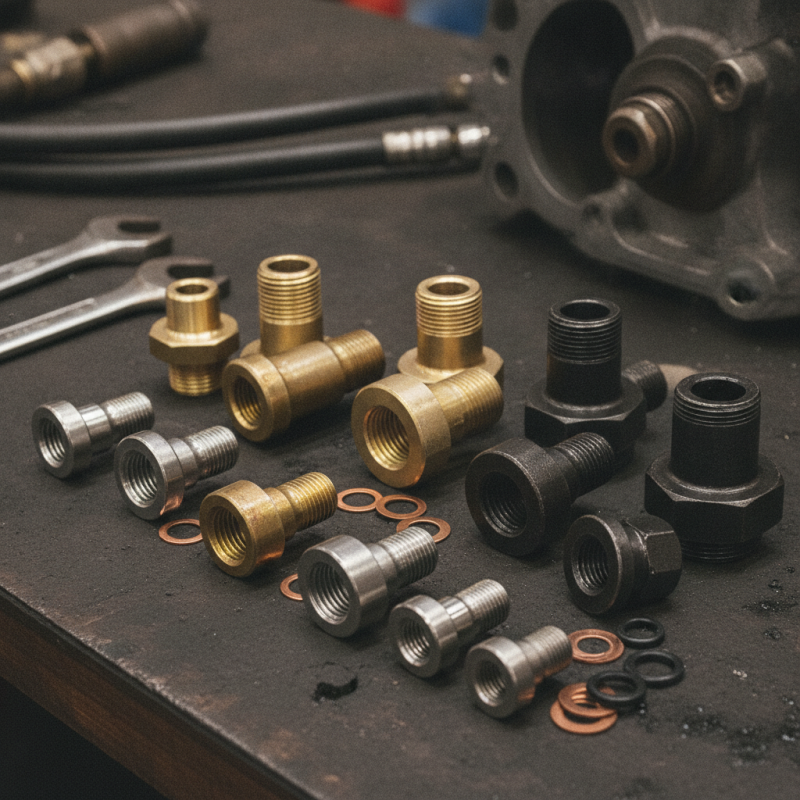
How to Choose the Right Flange Banjo Bolt for Your Needs?
When selecting the right Flange Banjo Bolt, understanding your needs is crucial. These bolts are vital components in many systems, especially in automotive and hydraulic applications. Choosing the perfect one can significantly impact performance and safety.
The Flange Banjo Bolt serves as a junction for fluid transfer, making its specification essential. Using the wrong bolt can lead to leaks or system failures. It's important to consider factors like material, size, and thread type. Each choice has its consequences, and sometimes, less common options may better suit your specific requirements.
Many overlook the importance of compatibility. Ensure that the bolt matches your system's specifications. Some users may tend to rush, thinking any bolt will fit. This can lead to costly mistakes. Reflecting on your choice will help in achieving reliable and effective results. Making an informed decision is key to optimal functionality.
Understanding Flange Banjo Bolt Types and Specifications
When selecting a flange banjo bolt, understanding the types and specifications is crucial. Flange banjo bolts typically come in a few standard configurations, which affect their application. Most commonly, you will encounter bolts that are designed for different fluid types, like brake fluid or oil. Each fluid exerts different pressures, which the bolt must withstand. According to industry reports, the tensile strength rating of these bolts ranges from 8.8 to 12.9, influencing their durability.
Material choices are also essential. Stainless steel bolts resist corrosion, while aluminum options are lighter but may not handle as much pressure. A survey by the American Society of Mechanical Engineers indicated that nearly 30% of failures in fluid systems can be traced back to improper bolt selection. Choosing the right material and type can be the difference between reliable performance and catastrophic failure.
Proper torque specification is another critical factor. Research shows that under-torquing can lead to leaks, while over-torquing can strip threads. Finding the right torque settings often requires trial and error. This variability means that manufacturers often provide a recommended range, but users must consult their specific application requirements to ensure safety and efficiency. Miscalculating torque can lead to compromised integrity of the entire assembly.
Key Factors in Material Selection for Flange Banjo Bolts
When selecting a flange banjo bolt, the material is crucial. Different materials offer various properties, affecting functionality and durability. Common materials include steel, aluminum, and titanium. Steel bolts are strong and durable but can corrode. Aluminum is lightweight but may not hold up under heavy stress. Titanium combines strength and lightness, making it ideal for performance applications.
Consider the environment where your bolt will operate. Harsh conditions demand better corrosion resistance. For example, a saltwater environment may need titanium or stainless steel. If weight is an issue, aluminum could be suitable for less demanding applications.
Tip: Always check the specifications of the material. Drafting a list of requirements can help guide your decision. Ensure you consider fatigue strength and thermal expansion.
Don't overlook the bolt size and thread type. These factors can affect compatibility with existing systems. A mismatch can lead to failure, causing safety risks. Research the standard practices for your application to ensure a reliable fit.
Tip: Consult technical resources or experts in the field. Gathering multiple opinions can provide clarity.
Evaluating Size and Thread Standards for Optimal Performance
When selecting a flange banjo bolt, size and thread standards are crucial. Choosing the wrong size can lead to leaks or mechanical failures. Measure the diameter and length of your existing bolts. Use precise tools like calipers for accurate readings. This attention to detail can prevent costly repairs.
Thread standards, including pitch and type, are essential for compatibility. Metric and imperial measurements differ significantly. Mismatched threads can cause stripping or cross-threading, jeopardizing your assembly. It's worth investing time in understanding these specifications. Not all suppliers provide clear details about their products.
Consider your specific application when evaluating options. Different environments may require unique materials or coatings. Sometimes, required bolts are not easy to find. Review product documentation thoroughly. You might encounter discrepancies in the specifications. Being meticulous can help ensure optimal performance and reliability in your system.
Analyzing Pressure Ratings and Safety Standards in Bolt Selection
When selecting a flange banjo bolt, pressure ratings play a crucial role. The right pressure rating ensures that the bolt can withstand the operational demands of the application. A bolt with a lower rating may fail under high-pressure conditions. Always check the specifications for maximum pressure limits. This helps avoid potential leaks or ruptures in the system. Understanding the pressure rating can prevent costly mistakes and enhance safety.
Safety standards are equally important. Various organizations set guidelines for bolt selection. Familiarize yourself with industry standards like ASTM or ISO. These standards provide benchmarks for material quality and performance. Incorporating components that meet safety standards can significantly reduce the risk of malfunction. Regular inspection is also necessary. Even high-quality bolts can degrade over time. Using a safety-first approach ensures long-term reliability in your systems.
Best Practices for Installation and Maintenance of Flange Banjo Bolts
When installing a flange banjo bolt, it's crucial to ensure a proper seal. Start by inspecting the mounting surface for any dirt or debris. Clean it thoroughly before installation. This simple step helps avoid leaks.
Using the correct torque specification is vital. Over-tightening can lead to stripped threads or a fractured banjo bolt. Under-tightening might cause leaks. Always refer to your vehicle's manual for the exact torque requirements.
For maintenance, regular inspections are key. Check the banjo bolt for signs of wear or corrosion. If you notice any issues, replace the bolt immediately. Waiting can lead to more severe damage down the line.
Tips: Monitor the performance after installation. If you notice any fluid leaks, reassess your installation process. Reflect on past installations that may have led to leaks. Learning from previous experiences is essential for improvement.