How to Choose the Best Veneer Peeling Machine for Your Needs?
Choosing the right Veneer Peeling Machine can significantly impact your woodworking projects. This decision is crucial for efficiency and quality. With numerous options on the market, selecting the ideal machine can be challenging. Different models possess varying features that cater to diverse needs.
Quality, durability, and ease of use are essential aspects to consider. A professional woodworker should assess their specific requirements carefully. Will you peel large volumes or just samples? Each scenario demands different capabilities from a Veneer Peeling Machine. Prices can also fluctuate based on technology and brand reputation.
Investing in the right machine eliminates frustrations over peeling inconsistencies. However, some users overlook maintenance needs, which can lead to reduced performance. Understanding your priorities is vital. A well-informed choice can elevate your craftsmanship, yet many still struggle with the decision-making process. It’s an investment that warrants thoughtful consideration.
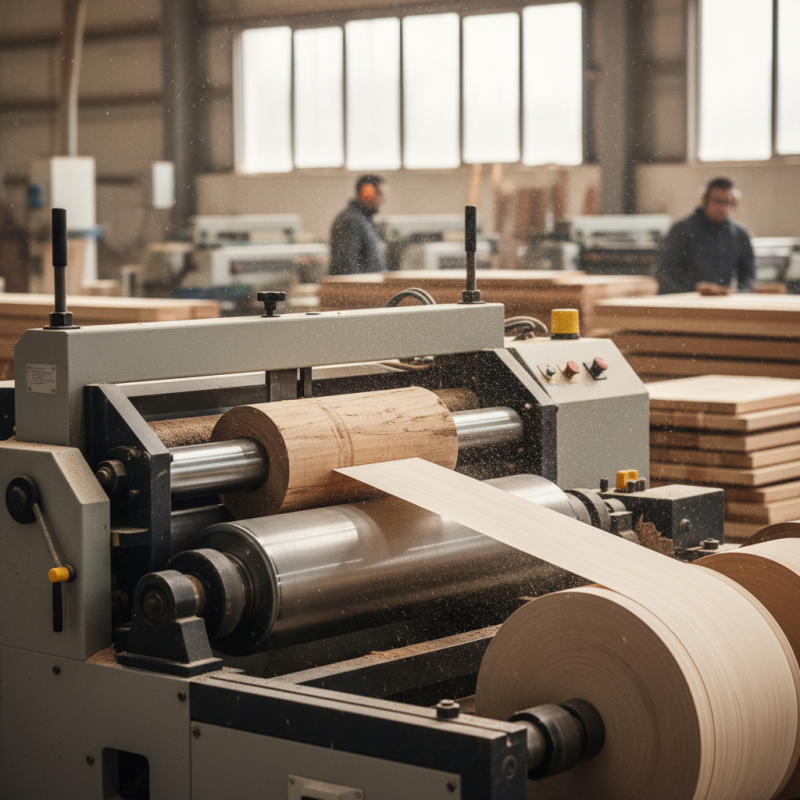
Factors to Consider When Selecting a Veneer Peeling Machine
Choosing the right veneer peeling machine requires careful consideration. Start with your specific needs. Think about the volume of production you anticipate. Machines differ significantly in their output rates. Some models are efficient for small batches, while others excel in mass production.
Another key factor is the type of veneer you will be processing. Different machines handle various wood species differently. Pay attention to specifications regarding thickness and moisture content. This can impact the overall quality of the veneer produced.
Tip: Always assess the machine's ease of use. A user-friendly interface can save time during operation. Maintenance also matters; choose a machine that offers easy access to parts. Finally, don’t overlook customer service and support. A reliable manufacturer will provide assistance when problems arise. Remember to read reviews and testimonials from other users. Their insights can guide your decision-making process.
Understanding Different Types of Veneer Peeling Machines Available
When selecting a veneer peeling machine, it's essential to understand the different types available. There are three main categories: rotary, slicer, and saw-type machines. Rotary machines are known for their efficiency, capable of producing large quantities of veneer at a lower cost per unit. According to industry reports, they are favored in many large-scale production environments, offering consistent thickness and high yield rates.
Slicer machines, on the other hand, excel in producing veneers from thicker logs. They provide a more refined finish. However, they may require more maintenance, and their slower production rates can be a drawback in high-demand settings. The saw-type machines tend to be less common, suitable for specialty applications where unique grain patterns are desired.
Tips: Always assess your production volume. If you need high efficiency, a rotary machine may serve you better. Understand the type of wood you'll be working with. Different woods may perform better with specific machines. Always consider ease of maintenance. Machines that are easier to service can save you significant downtime in production. Ensure you also reflect on your budget, as a high initial investment can affect overall production costs.
Key Features to Look for in a High-Quality Veneer Peeling Machine
When selecting a veneer peeling machine, consider the key features that determine its quality. A solid construction is vital. Look for machines made from durable materials. They should withstand the rigors of daily use. The machine's design impacts usability and maintenance. A user-friendly interface makes operation simpler. If adjustments are challenging, it may cost time and efficiency.
Precision is another crucial factor. The accuracy of the veneer thickness affects production quality. Machines should offer adjustable settings for thickness control. Consistency in peeling ensures uniformity, which is essential for finished products. Additionally, check the speed capabilities. A machine that can handle varying speeds offers versatility for different projects.
Finally, never underestimate the importance of safety features. Machines must include emergency stop buttons and guards. These features protect operators from potential hazards. Regular maintenance can reveal hidden issues with safety measures. It’s essential to evaluate these criteria carefully. A small oversight in features can lead to significant challenges down the line.
Evaluating the Production Capacity of Veneer Peeling Machines
When selecting a veneer peeling machine, evaluating its production capacity is crucial. Different projects demand varying output levels, so understanding your specific needs is essential. Machines range from compact models to industrial giants. A smaller machine might suit a craft workshop, while larger facilities usually require higher throughput. Analyzing your production volume helps determine the right fit.
Consider the diameter of the logs that the machine can handle. Some may accommodate wider logs, enhancing efficiency. However, a machine that’s too powerful for your projects could lead to wasted resources. Always factor in the skill level of your operators. An automatic machine might reduce errors, but manual machines can offer a hands-on approach.
Production capacity isn’t solely about numbers. It also involves consistency and quality. Ensure the machine can maintain uniform veneer thickness. Inconsistent outputs can lead to additional waste and frustration. Always seek feedback from current users. Real-world experiences provide insight that specifications may not reveal.
Cost Analysis: Budgeting for a Veneer Peeling Machine Purchase
When budgeting for a veneer peeling machine, understanding the total costs is crucial. Besides the purchase price, consider installation, training, and maintenance. Often overlooked, these expenses can significantly impact your budget. A machine might seem affordable at first, but operating costs can add up quickly.
Don't forget about the potential hidden costs. For instance, power consumption varies among machines. Higher energy costs can erode profit margins. Additionally, parts and service availability influence long-term expenses. Some machines may require specialized parts. This can lead to delays and increased downtime.
Assessing financing options is also important. Some manufacturers offer financing plans, which can ease the immediate financial burden. However, understand the terms fully. Make sure to evaluate different lenders and their interest rates. Weigh the long-term implications of your financing choice carefully. It’s a reflection of both your needs and financial strategy.
How to Choose the Best Veneer Peeling Machine for Your Needs? - Cost Analysis: Budgeting for a Veneer Peeling Machine Purchase
| Machine Type | Capacity (Cubic Meters/Hour) | Power Requirement (kW) | Price Range (USD) | Recommended Use |
| Horizontal Veneer Peeler | 5 - 15 | 15 - 30 | $20,000 - $50,000 | Large scale production |
| Vertical Veneer Peeler | 3 - 10 | 10 - 20 | $15,000 - $40,000 | Medium scale operation |
| CNC Veneer Peeler | 2 - 6 | 5 - 10 | $25,000 - $70,000 | Precision and custom applications |
| Manual Veneer Peeler | 1 - 3 | 2 - 5 | $5,000 - $15,000 | Small workshops and hobbyists |
