How to Choose the Best Electric Forklift Battery for Your Needs?
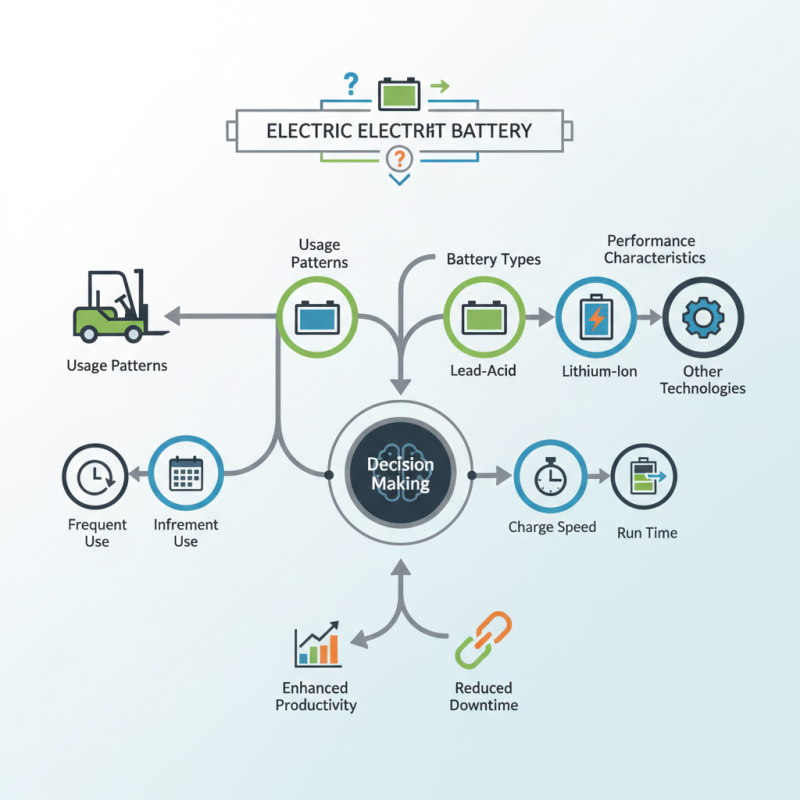
Choosing the right Electric Forklift Battery is crucial for operational efficiency. Industry expert John Smith, a consultant with over 15 years of experience, states, "The right battery can enhance productivity and reduce downtime." Selecting a battery can be overwhelming due to various options available today.
Electric Forklift Batteries come in different types, capacities, and technologies. It’s vital to assess your specific needs. For example, consider your forklift’s usage patterns. Frequent use may require a high-capacity battery. Overlooking this can lead to unexpected downtime and inefficiency.
Additionally, performance characteristics vary. Some batteries charge quickly, while others have longer run times. Understanding these nuances is important. Each choice impacts your business operations. Reflection on long-term needs is essential. You may discover that what works today may not suit you in the future.
Understanding the Types of Electric Forklift Batteries Available Today
When selecting an electric forklift battery, it's vital to understand the different types available today. The most common include lead-acid batteries, lithium-ion batteries, and nickel-cadmium batteries. Lead-acid batteries are cost-effective and widely used, offering a reliable performance. They typically have a shorter lifespan compared to lithium-ion, lasting around 1,500 cycles. In contrast, lithium-ion batteries are gaining popularity due to their longer lifespan of about 3,000 cycles and faster charging times, making them suitable for intensive operations.
Tips: Assess your operational needs. If your tasks require frequent lifting and quick recharges, lithium-ion may be better. However, if initial costs are a concern, lead-acid could fit your budget.
Understanding the capacity ratings is crucial. Batteries are rated in amp-hours (Ah), which indicates how much energy they can store. Higher Ah ratings cater to larger operations but come at a premium. A study by the Battery University reveals that companies can reduce downtime significantly by selecting the right battery type. Striking a balance between capacity and performance can lead to more productive warehouse operations.
Tips: Monitor maintenance and charging habits. Proper care can extend a battery's lifespan considerably. Regular checks can prevent unexpected downtime and costly replacements. Consider consulting with battery specialists for tailored advice.
Evaluating Battery Capacity: Amp-Hours (Ah) and their Importance
When evaluating electric forklift batteries, amp-hours (Ah) are crucial. Ah indicates a battery's capacity. A higher Ah number means that the battery can store more energy. This is essential for operations requiring long hours of use. Understanding this metric can save time and boost productivity.
For example, a battery rated at 500 Ah can power a forklift for longer than one rated at 300 Ah. Businesses often underestimate this aspect. Not all tasks require the same battery capacity. Assessing specific operational needs helps in making informed decisions.
Tips: Always consider your lift's average daily usage. Shorter shifts may not need high-capacity batteries. Additionally, regularly monitor battery performance. Unexpected drops in capacity can indicate underlying issues. Research suggests that poor maintenance can reduce battery life by up to 25%. Investing in regular checks can ensure reliability and efficiency.
Assessing Battery Lifespan: Factors Affecting Longevity and Performance
When considering the lifespan of electric forklift batteries, several crucial factors come into play. Battery type plays a significant role; lead-acid batteries may last around 1,500 cycles, while lithium-ion can exceed 5,000 cycles. Understanding these differences helps in making informed choices.
Temperature also affects battery performance. Extreme heat or cold can shorten lifespan and efficiency. For example, consistent temperatures between 25°C and 30°C are ideal. It’s essential to monitor the environment where the forklifts operate.
Charging habits matter too. Regular overcharging can create heat, damaging the cells. Aim for a proper charging schedule. Neglecting regular maintenance may lead to unexpected failures. Each factor compounds the overall longevity of the battery. Being aware of these influences fosters better decision-making when selecting a battery.
Charging Systems and their Impact on Electric Forklift Battery Efficiency
When selecting the best electric forklift battery, understanding charging systems is essential. The efficiency of a battery largely depends on its charging method. Different systems, such as traditional and opportunity charging, impact overall performance. Traditional chargers require longer charging periods, while opportunity charging can save time and enhance battery lifespan.
One important tip is to match the charging system to your operational needs. If your forklift operates continuously, consider an opportunity charging system. This allows operators to charge during breaks, minimizing downtime. However, if you use forklifts less frequently, a standard charger may suffice.
Another aspect to consider is the compatibility of chargers with various battery types. Lead-acid batteries and lithium-ion batteries have different requirements. Ensuring that the charger meets these requirements extends battery life and improves efficiency. Avoid using a charger that does not fit your battery’s specifications, as this can lead to decreased performance.
Remember, maintenance is key, and regular checks can prevent unexpected issues.
Cost Analysis: Choosing the Right Battery for Your Budget and Needs
Choosing the right electric forklift battery goes beyond just selecting a type. The cost analysis is crucial in meeting both your operational needs and budget constraints. According to industry reports, lithium-ion batteries have become increasingly popular due to their efficiency. However, they come with a higher upfront cost, averaging about 20% more than lead-acid batteries. This must be balanced with their longer life and less maintenance.
When analyzing costs, consider both initial investment and total ownership costs. Lead-acid batteries may cost less initially, but they require significant maintenance and shorter replacement cycles. Industry data shows that a lead-acid battery typically lasts around 1,500 cycles, while lithium-ion can last up to 5,000 cycles. This aspect might seem overwhelming, as initial costs can sway your decision.
Tip: Always evaluate energy consumption rates and charging times. These factors significantly affect operational costs, especially in high-use environments. Carefully read product specifications and maintenance guidelines. Scrutinize warranty details as well, as they reflect reliability. Regular reassessment of your choice is necessary to adapt to changing operational demands. Keeping an eye on market trends can also provide insights into which options offer the best long-term value.