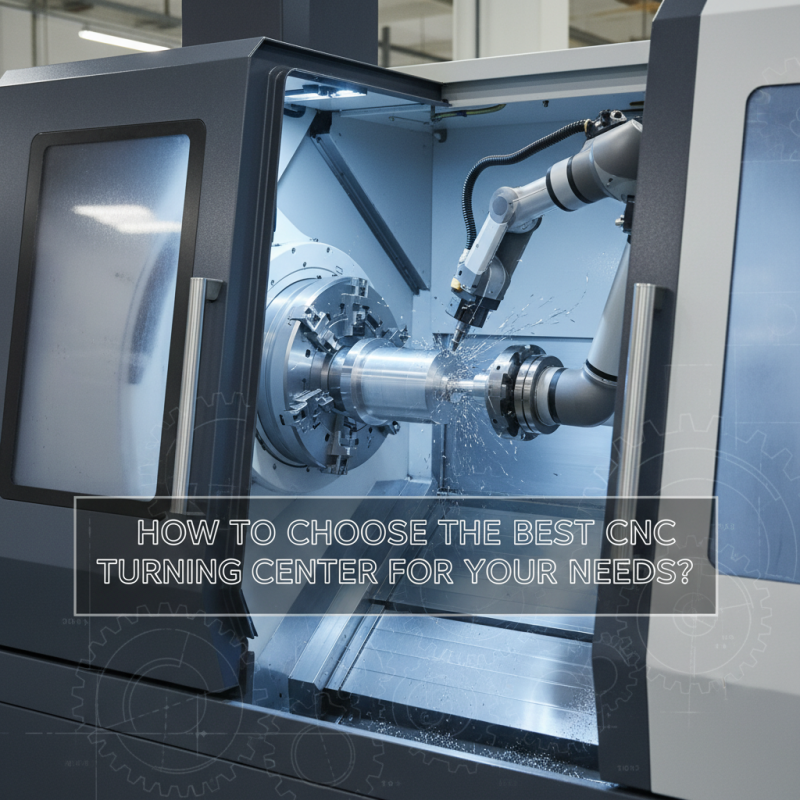
How to Choose the Best CNC Turning Center for Your Needs?
Choosing the right CNC Turning Center significantly impacts productivity and precision. This decision can be daunting, given the variety of options available. It's essential to focus on your specific needs, such as the material types and sizes you typically work with.
A CNC Turning Center offers advanced capabilities that can elevate your machining processes. However, not every model will meet your requirements. You might find yourself drawn to features that ultimately don’t add value to your operations. Reflect on your budget, too. It’s easy to overspend on features you may never use.
Consider the brand and support options available to you. Some manufacturers offer excellent service and parts availability; others do not. Don’t overlook these factors as they can affect your experience with the CNC Turning Center. Take your time to assess all these aspects carefully.
Understanding Your CNC Turning Center Requirements
When selecting a CNC turning center, understanding your specific requirements is crucial. You must consider the complexity of your projects. For example, a report from the Association for Manufacturing Technology shows that over 35% of manufacturers prioritize precision in machining. Knowing the materials you work with is essential. Different materials demand different cutting speeds and tools.
Another important factor is the size of your workpieces. The capacity of a CNC turning center can vary widely. Some models can handle shafts up to 1000mm long, while others are limited to much smaller dimensions. Additionally, a survey by Modern Machine Shop revealed that flexibility is growing in demand. About 55% of shops desire machines that can adapt quickly to various tasks. This adaptability can be key in a rapidly changing production environment.
Finally, consider the level of automation required. Automating processes can increase efficiency but may come with a learning curve. Some operators might feel overwhelmed by complex interfaces. A lack of proper training can lead to mistakes and wasted materials. Balancing automation with ease of use is a challenge many manufacturers face today. Understanding these varied requirements will aid significantly in your decision on the best CNC turning center.
How to Choose the Best CNC Turning Center for Your Needs?
| Dimension | Specification | Consideration |
| Max Turning Diameter | Up to 20 inches | Select based on your workpiece size |
| Max Turning Length | Up to 40 inches | Ensure it accommodates the length of your parts |
| Spindle Speed | Up to 5000 RPM | Higher speeds for softer materials |
| Horsepower | 5-20 HP | More HP allows for tougher materials |
| Control Type | CNC vs. Manual | CNC for automation, manual for flexibility |
| Tool Capacity | 8-12 tools | More tools for complex designs |
| Weight | 2000-5000 lbs | Heavier machines offer more stability |
| Price Range | $30,000 - $150,000 | Budget according to features and capabilities |
Key Features to Consider in CNC Turning Centers
When selecting a CNC turning center, consider essential features. Accuracy is crucial for precision machining. Look for machines with high repeatability and minimal backlash. A large spindle size also improves stability during operation. You want a machine that meets your specific dimensional needs.
Customization options can enhance your workflow. Check if the turning center allows for modifications. This can include tool holder changes or software updates. Flexibility in design capabilities can save time and resources. Additionally, examine the machine's ability to handle various materials. Some centers excel at machining metals, while others may be better for plastics.
Tips: Always assess the ease of use. A complicated interface can lead to errors. Look for machines with user-friendly control systems. Also, maintainability is vital. A machine that is hard to service may result in downtime. Consider your staff’s training needs too. Investing in training can minimize operational errors. In the end, reflect on your production goals. Ensure the chosen center aligns with your strategic vision.
Evaluating Different CNC Turning Center Brands and Models
When evaluating different CNC turning center brands and models, several factors come into play. Start by considering the specifications that meet your production needs. Pay attention to the spindle speed, tool capacity, and workpiece size. These details can significantly influence efficiency and precision. Some centers offer advanced features, enhancing automation and reducing cycle times. However, not every feature may be crucial for your operations.
Durability is another important aspect. Look for feedback on the machine's construction quality. A heavier frame typically leads to better stability during operation. Yet, some users might find lighter machines easier to handle, particularly in smaller workshops. It's essential to weigh the pros and cons based on your specific circumstances.
Finally, don’t overlook customer support and service options. Review the warranty terms and the availability of spare parts. A machine's performance in a production environment can vary post-installation. Consider troubleshooting experiences from other users. This reflection will guide you in making a well-informed decision.
Assessing Budget and Cost-Effectiveness of CNC Turning Centers
When selecting a CNC turning center, budget is critical. It influences your decision significantly. Determine your financial limits before browsing options. A machine’s initial cost is just one piece. Consider ongoing expenses like maintenance, tooling, and training. These can add up quickly.
Cost-effectiveness goes beyond the purchase price. Analyze the machine's capabilities. Will it meet your production needs? Can it handle various materials? Efficiency is key. A more expensive CNC might save time and reduce labor costs. Sometimes, cheaper options can lead to production delays. Evaluate long-term benefits against upfront costs.
Mistakes can happen in budget assessment. You might overlook hidden costs or underestimate maintenance needs. It's essential to rethink your assumptions. Seek advice from industry experts. Their insights can highlight potential pitfalls. Investing time in research can save money in the long run. Aim for a balance of quality and affordability.
Cost-Effectiveness Analysis of CNC Turning Centers
Future-Proofing Your CNC Turning Center Investment
When investing in a CNC turning center, future-proofing is essential. Industry reports suggest that the global CNC machine market is projected to reach $100 billion by 2026. This dramatic growth underscores the need for equipment that adapts to evolving market demands. A versatile machine ensures you can handle both current and future projects without frequent upgrades.
Tips: Consider modular designs for easy upgrades. This flexibility can save time and costs in the long run.
Additionally, look for machines with advanced software capabilities. Integration with Industry 4.0 technologies is crucial. RFID tracking, IoT connectivity, and AI-driven analytics enhance operational efficiency. A machine that supports these features can keep your business competitive for years.
Tips: Assess your software needs now and anticipate future developments. Ensure the machine can accommodate changes.
Lastly, pay attention to build quality and serviceability. Machines that require constant maintenance can hurt productivity. Relying on outdated technology might lead to costly downtime. Evaluate service agreements and support options. Balancing price with durability and feature sets is the key to making a wise investment.