Why Choose a 180 Rotation Rotary Actuator for Your Project?
When considering automation solutions, a 180 Rotation Rotary Actuator stands out. This device offers a unique combination of precision and versatility. Many projects require efficient movement, and this actuator delivers just that. Its ability to rotate a full 180 degrees makes it ideal for various applications, from robotics to industrial machinery.
Choosing the right actuator can be challenging. The 180 Rotation Rotary Actuator simplifies this decision with its straightforward design. Users appreciate its reliability and ease of integration. However, it’s crucial to assess your project's specific needs before selecting this actuator. Its compact size can be a game-changer, offering functionality without overwhelming your design space.
While the benefits are clear, some may still question its suitability. Reflecting on your unique requirements can lead to better choices. Consider factors like load capacity and speed before committing. The 180 Rotation Rotary Actuator is a solid option, but like any tool, it’s not a one-size-fits-all solution. Understanding its strengths and limitations can enhance your project’s success.
Understanding the Basics of 180 Rotation Rotary Actuators
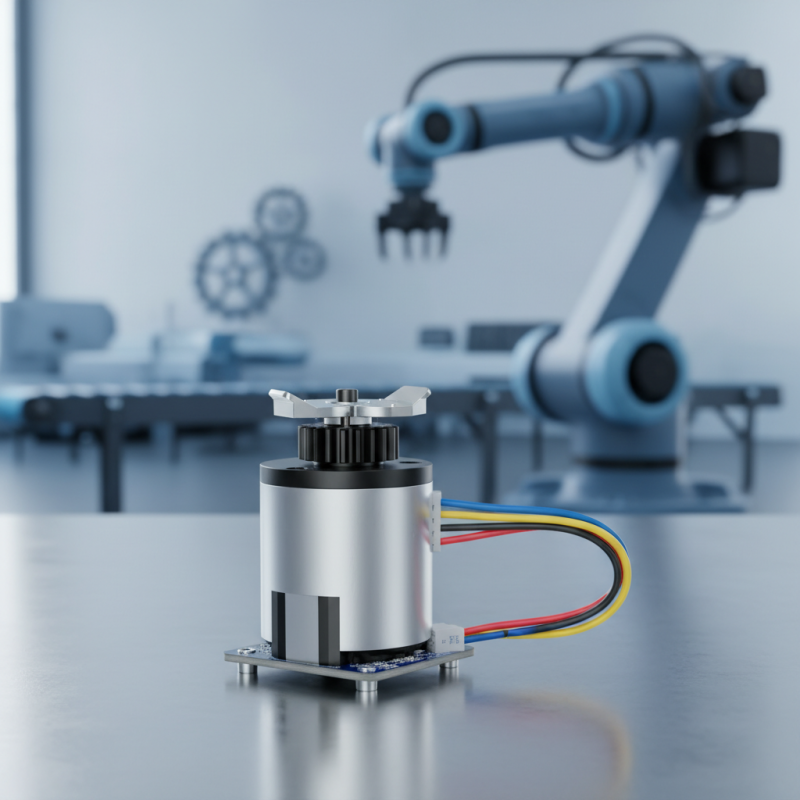
A 180 rotation rotary actuator is a crucial component in various mechanical systems. Understanding its basics can help in selecting the right one for your project. These actuators convert rotational motion into linear movement, enabling precise control. They are often engineered for applications requiring limited swing or movement.
When considering a 180 rotation actuator, it's essential to evaluate torque and speed. This actuator type typically operates within a compact form factor, which is beneficial for limited spaces. As you delve deeper, remember that perfect precision is hard to achieve. Sometimes, fluctuations occur, which might affect your design's efficiency.
Designing with a 180 rotation actuator can present challenges. Users may find inconsistent performance under different loads. These nuances require careful attention and testing during the development phase. Some projects may lead to oversights. Anticipating issues can save time and resources later on. Balancing expectations with reality ensures a more streamlined project experience.
Key Advantages of Using 180 Rotation Rotary Actuators in Projects
The use of 180 rotation rotary actuators is increasing in various industries. These devices enable precise movement and positioning. According to a recent report by TechNavio, the global rotary actuator market is projected to grow by 6% annually. This trend reflects the rising demand for automation in industrial applications.
One of the key advantages of 180 rotation actuators is their compact design. They often fit easily into tight spaces. This makes them suitable for robotics and embedded systems. Additionally, they offer high torque output, providing significant force in a small footprint. The combination of size and power helps engineers achieve more with less.
Reliability is another important factor. Data indicates that 180 rotation actuators are less prone to failure. They often have lower maintenance requirements, which can save costs in the long run. However, achieving consistent performance can be challenging. Factors such as temperature and load vary in real-world applications. Users need to assess these variables carefully when designing systems.
Why Choose a 180 Rotation Rotary Actuator for Your Project? - Key Advantages of Using 180 Rotation Rotary Actuators in Projects
| Feature | Advantage | Application |
| Compact Design | Saves space in compact setups | Robotic arms, automation systems |
| High Precision | Ensures accurate positioning | CNC machines, assembly lines |
| Durability | Long operational lifespan | Heavy machinery, outdoor applications |
| Simple Integration | Easily fits into existing systems | Manufacturing processes, robotic systems |
| Versatile Applications | Can be used in various industries | Automotive, electronics, packaging |
Applications of 180 Rotation Rotary Actuators Across Industries
180 Rotation Rotary Actuators are gaining popularity across various industries. Their precise movement capabilities make them ideal for applications in manufacturing, robotics, and automotive sectors. These actuators provide reliable performance while allowing for controlled rotational motion. In assembly lines, they help with processes that require accurate positioning.
In robotics, 180 Rotation Rotary Actuators enable joint movements and offer flexibility. This is crucial for tasks like handling objects or performing specific actions. In the automotive industry, they are used in mechanisms such as adjustable mirrors and specialized doors.
Tip: When choosing an actuator, consider load capacity and torque. These factors can significantly impact performance. Ensure that the actuator meets the specific needs of your project. Testing multiple options can reveal the best fit.
While 180 Rotation Rotary Actuators excel in many areas, be aware of limitations. Speed can sometimes be an issue, especially in high-demand environments. Also, the size and integration might pose challenges in compact spaces. Adjusting designs to these constraints is essential for efficiency.
Factors to Consider When Choosing a Rotary Actuator
When selecting a rotary actuator for your project, several factors must be evaluated. The torque output is crucial. It determines how much force the actuator can generate. Assess the load requirements of your application. The actuator's design must handle the forces without failure.
Speed is another vital factor to consider. A rotary actuator with the right speed enhances the efficiency of your system. However, faster isn't always better. Sometimes, slower motion provides more control. This aspect is often overlooked, but it can affect performance greatly.
Precision also plays a significant role. Some projects demand tight tolerances. You need to ensure that the actuator maintains accuracy throughout its range of motion. It's important to run real-world tests. Sometimes specifications look great on paper but fail in practice. Adjusting your choice after testing may be necessary. Balancing these factors is key to achieving optimal performance, ensuring your project meets its goals.
Installation and Maintenance Tips for Optimal Performance
When working with a 180 rotation rotary actuator, proper installation is crucial. A recent industry report noted that improper installation can reduce efficiency by up to 30%. This statistic emphasizes the importance of following best practices during setup. Ensure that all mounting surfaces are clean and aligned. Misalignment could lead to unexpected wear and tear on components.
Maintenance plays a vital role in maximizing the actuator’s lifespan. Regular checks can prevent minor issues from escalating. One study highlighted that routine maintenance increases the actuator life by 25%. Simple actions, like lubricating joints and inspecting seals, can significantly improve performance. Don't neglect these small tasks; they pay off in the long run.
Tip: Always store a rotary actuator in a dry, clean area to avoid corrosion. Another useful tip is to document maintenance activities to identify patterns. This might reveal underlying problems that need to be addressed. Focusing on these details promotes a longer lifespan and better overall function of the actuator.
