What is a 1 Pole Circuit Breaker and How Does It Work?
The 1 Pole Circuit Breaker is a fundamental component in electrical systems. According to industry reports, nearly 70% of residential electrical panels utilize this type of breaker. It ensures safety by interrupting current flow during overloads and short circuits. Understanding its function is crucial for homeowners and electricians alike.
Many people underestimate the importance of proper circuit protection. The National Electrical Manufacturers Association (NEMA) stresses that improper installation can lead to significant hazards. In fact, faulty breakers contribute to thousands of house fires each year. A 1 Pole Circuit Breaker plays a vital role in mitigating these risks.
Despite its simplicity, the operation of a 1 Pole Circuit Breaker invites common misconceptions. Some users assume that all breakers are interchangeable, which is not true. Attention to specifications and compatibility is necessary, especially during replacements. Ongoing education on this essential device can lead to safer electrical environments.
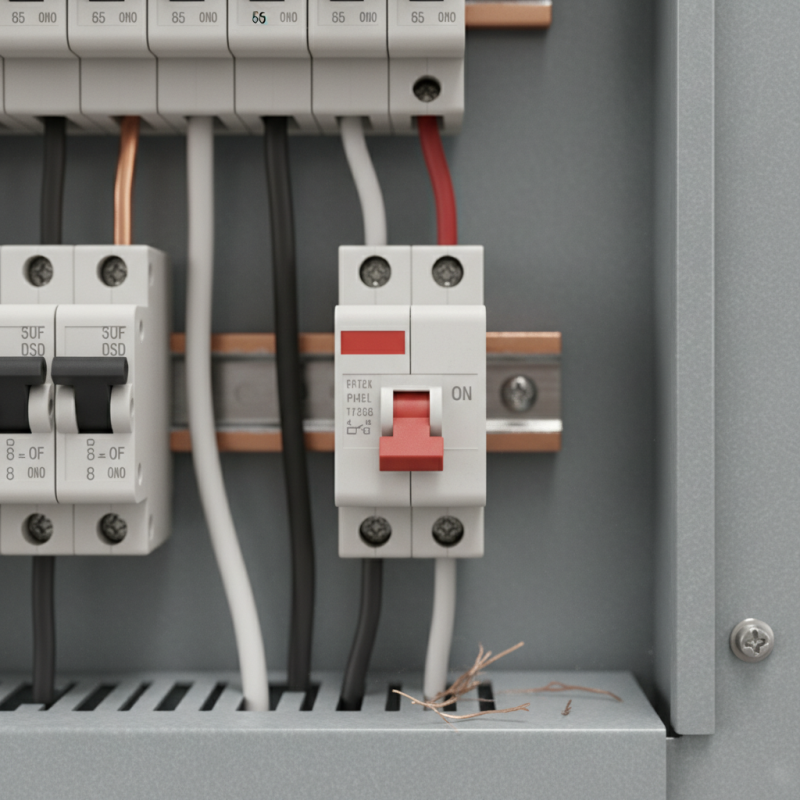
What is a 1 Pole Circuit Breaker: Definition and Purpose
A 1 pole circuit breaker is a crucial component in electrical systems. It functions as a switch that protects a circuit from overloads and short circuits. When the current exceeds a certain limit, the breaker automatically trips, cutting off the electrical flow. This helps prevent potential hazards, like fires and equipment damage.
The purpose of a 1 pole circuit breaker primarily lies in safeguarding single-phase circuits, commonly used in residential settings. It can handle a specific amperage, often visible on the device itself. Users often overlook their importance, assuming that wiring alone can prevent issues. This complacency can lead to dangerous situations. Regular inspection is key.
In homes, these breakers can be found in electrical panels. They are easy to install and replace. Yet, many still struggle to understand their operation. Misconceptions persist about how frequently they should be checked. Some believe they are maintenance-free, but this is not true. Regular functionality checks ensure safety.
Components of a 1 Pole Circuit Breaker Explained
A 1 pole circuit breaker is a crucial electrical component. It automatically interrupts the flow of electricity in case of overloads or short circuits. Understanding its components helps in grasping how it operates effectively.
The main parts include the switch mechanism and the thermal or magnetic trip unit. The switch mechanism allows manual control, while the trip unit reacts to abnormal conditions. For example, a thermal trip unit activates when current exceeds safe levels. Industry reports estimate that around 70% of circuit overloads can be managed effectively with proper breaker selection.
The construction of a 1 pole circuit breaker often incorporates a bimetallic strip. This strip bends and triggers the switch when it heats up. In some designs, a magnetic coil provides faster response times. Both components improve safety and reliability. Yet, many users overlook maintenance. Regular checks and testing can identify potential failures. Data suggest that proper upkeep can reduce accidents by up to 40%. Understanding and caring for these components is key to preventing future issues.
Components of a 1 Pole Circuit Breaker
How a 1 Pole Circuit Breaker Operates Mechanically
A 1 Pole Circuit Breaker is a crucial component in electrical systems. It disconnects a single circuit to prevent overloads. Mechanically, it uses a simplistic design with a bimetallic strip or electromagnetic mechanism. When current exceeds the safe threshold, the mechanism triggers, breaking the circuit. This action protects wiring from overheating.
Understanding how this device operates is essential for safety. The bimetallic strip bends when hot, separating contacts and cutting off power. Meanwhile, the electromagnetic mechanism responds to surges more rapidly. In many homes, these breakers are crucial for protecting appliances and preventing electrical fires. According to industry reports, around 30% of home fires are linked to electrical issues.
Tip: Regularly check circuit breakers. Look for signs of wear or damage. A simple visual inspection can help avoid larger issues. Pay attention to tripping frequency, as frequent trips indicate a deeper problem. Be proactive about your circuit safety.
Applications of 1 Pole Circuit Breakers in Electrical Systems
One pole circuit breakers are crucial in various electrical systems. They mainly protect single-phase circuits from overloads and short circuits. According to the National Electrical Manufacturers Association (NEMA), they account for over 60% of residential and commercial circuit protection devices.
In homes, 1 pole circuit breakers are typically used to safeguard lighting and receptacle circuits. Their effectiveness comes from the ability to trip quickly during faults. This fast response minimizes damage to appliances and reduces fire risks. A report from the Electrical Safety Foundation International (ESFI) found that circuit breakers prevent approximately 50% of electrical fires, emphasizing their importance.
In industrial applications, these breakers play a role in machinery and equipment protection. They are often installed in control panels. Yet, their use isn't without flaws. Over-reliance on circuit breakers can lead to neglect of regular maintenance checks. Many professionals recommend inspections every few years, yet statistics show that about 30% of faulty installations go unaddressed. This points to a need for increased awareness and better practices in circuit management.
What is a 1 Pole Circuit Breaker and How Does It Work?
| Feature | Description |
| Definition | A 1 pole circuit breaker is a type of electrical switch that automatically interrupts the circuit when it detects a fault, ensuring protection against overloads and short circuits. |
| Operation | It works by sensing the electrical current and tripping the circuit when the current exceeds a predetermined limit. |
| Current Ratings | Common ratings include 10A, 16A, 20A, and 32A, used according to the requirement of electrical loads. |
| Applications | Used in residential and commercial buildings for lighting circuits, HVAC systems, and small appliances. |
| Advantages | Provides reliable protection, easy installation, and can be easily reset after tripping. |
| Disadvantages | May trip unnecessarily due to temporary surges in current or faulty installations. |
Safety Features and Benefits of Using 1 Pole Circuit Breakers
1 Pole Circuit Breakers are essential components in electrical systems, providing vital safety and protection. One of the key benefits of using these circuit breakers is their ability to prevent electrical overloads. Data from the National Fire Protection Association indicates that overloaded circuits were responsible for around 24% of residential electrical fires. By using 1 Pole Circuit Breakers, homeowners can significantly reduce this risk.
Moreover, these breakers offer a quick response to fault conditions. When a fault occurs, the breaker can trip within milliseconds. This immediate action helps protect devices from damage caused by surges. According to electrical safety experts, the responsiveness of circuit breakers can save costly repairs. However, not all installations are perfect; improper sizing or positioning can lead to inefficiencies. It's crucial to assess your electrical needs carefully.
**Tip:** Regularly check your circuit breakers for any signs of damage or wear. A minor issue can quickly escalate into a major safety concern.
In addition to safety, 1 Pole Circuit Breakers can improve system reliability. They are generally more efficient in small electrical systems, ensuring that minor disruptions do not affect larger circuits. However, depending on a single breaker can lead to critical failures. The balance between reliability and over-dependence needs consistent evaluation.
**Tip:** Consider annual inspections by a qualified electrician to ensure optimal performance of your circuit breakers.
